
Last updated November 25, 2026
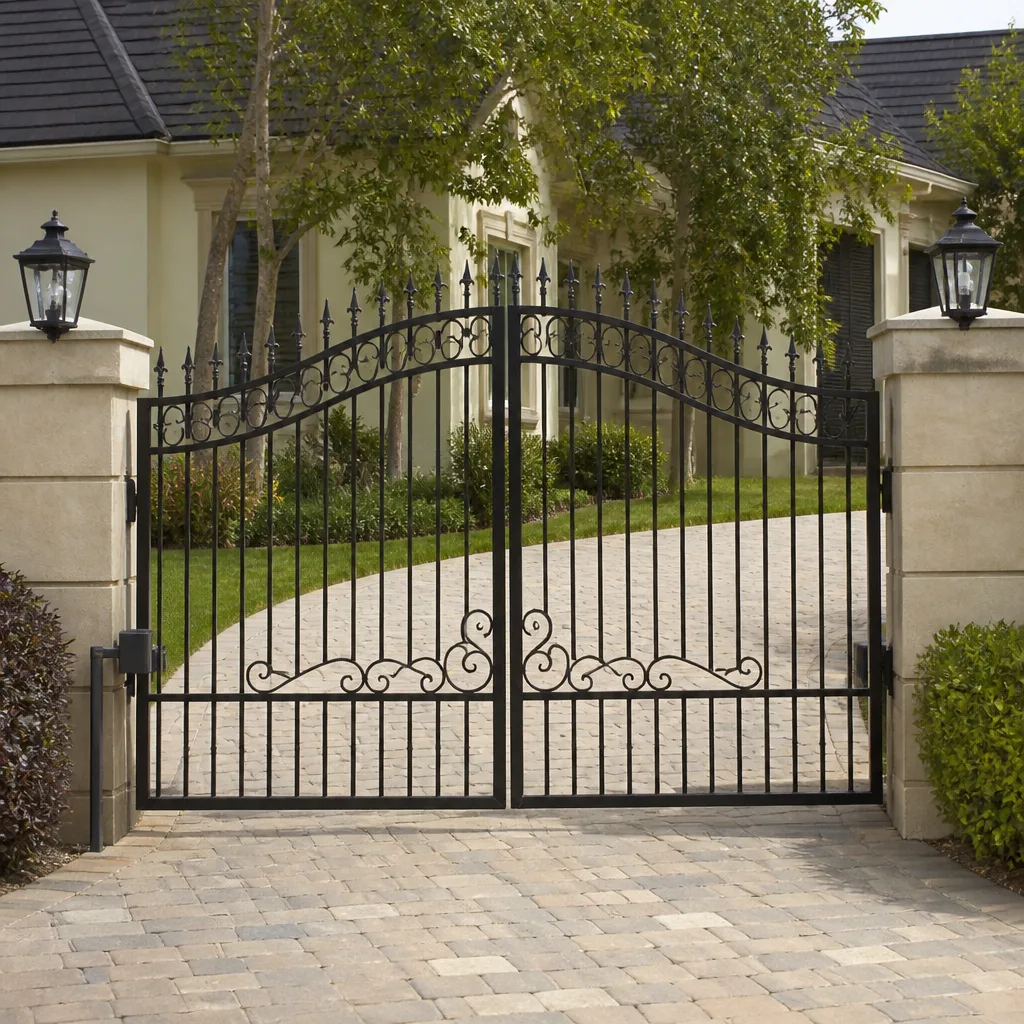 Wrought iron
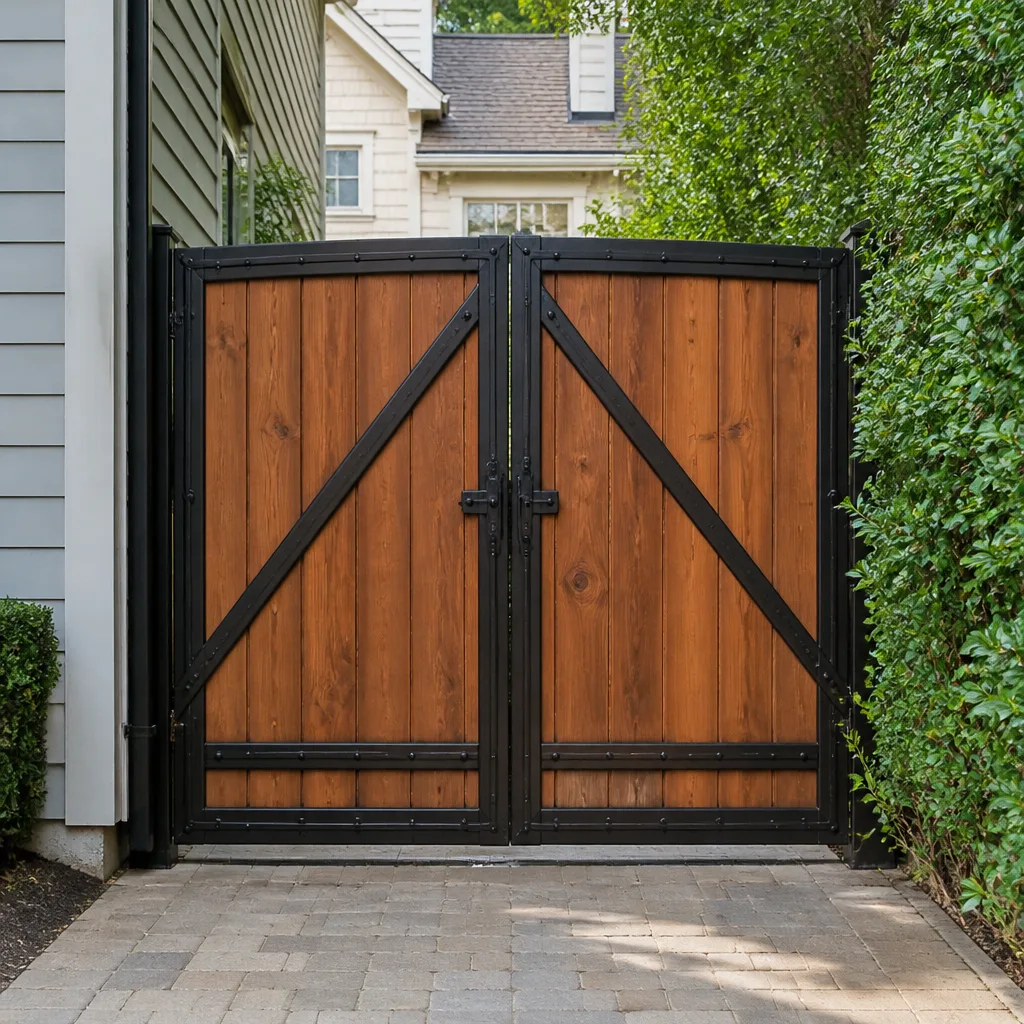 Wood & steel frame
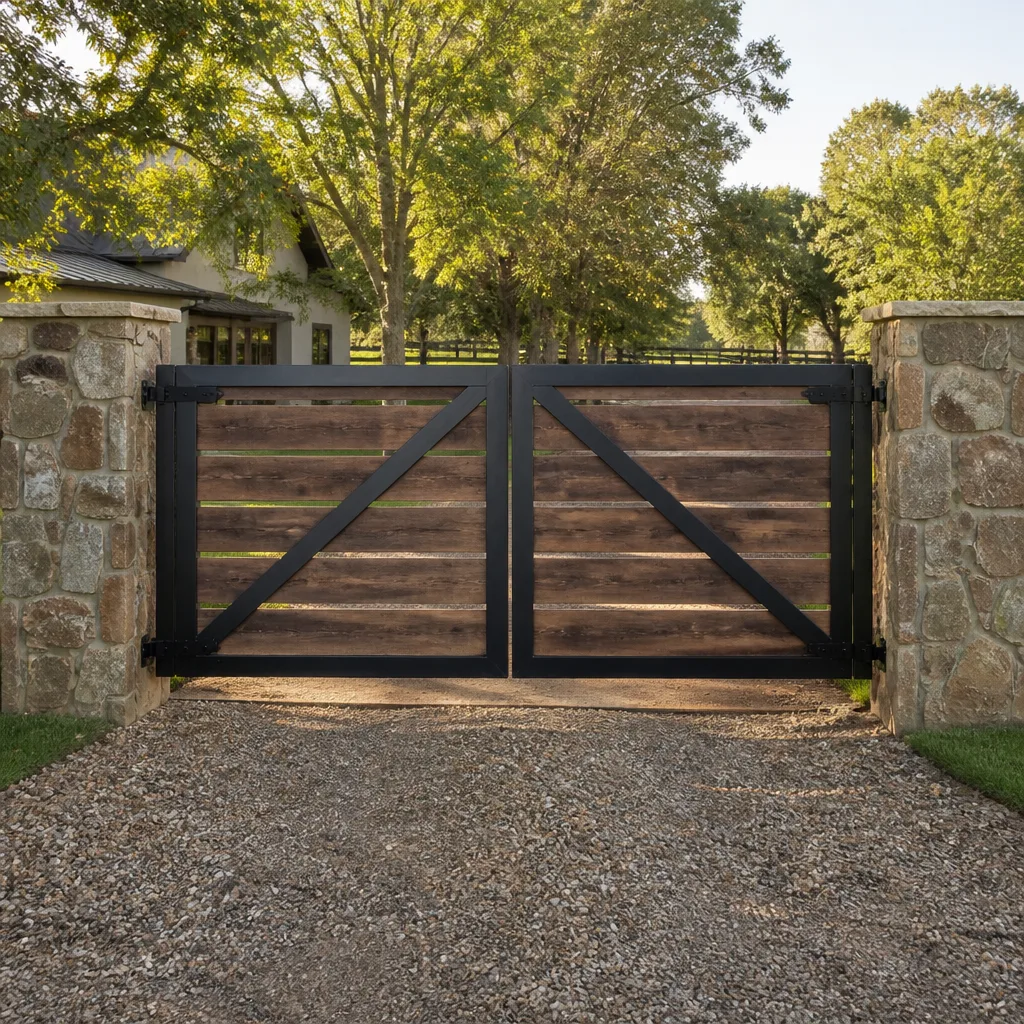 Farm & ranch
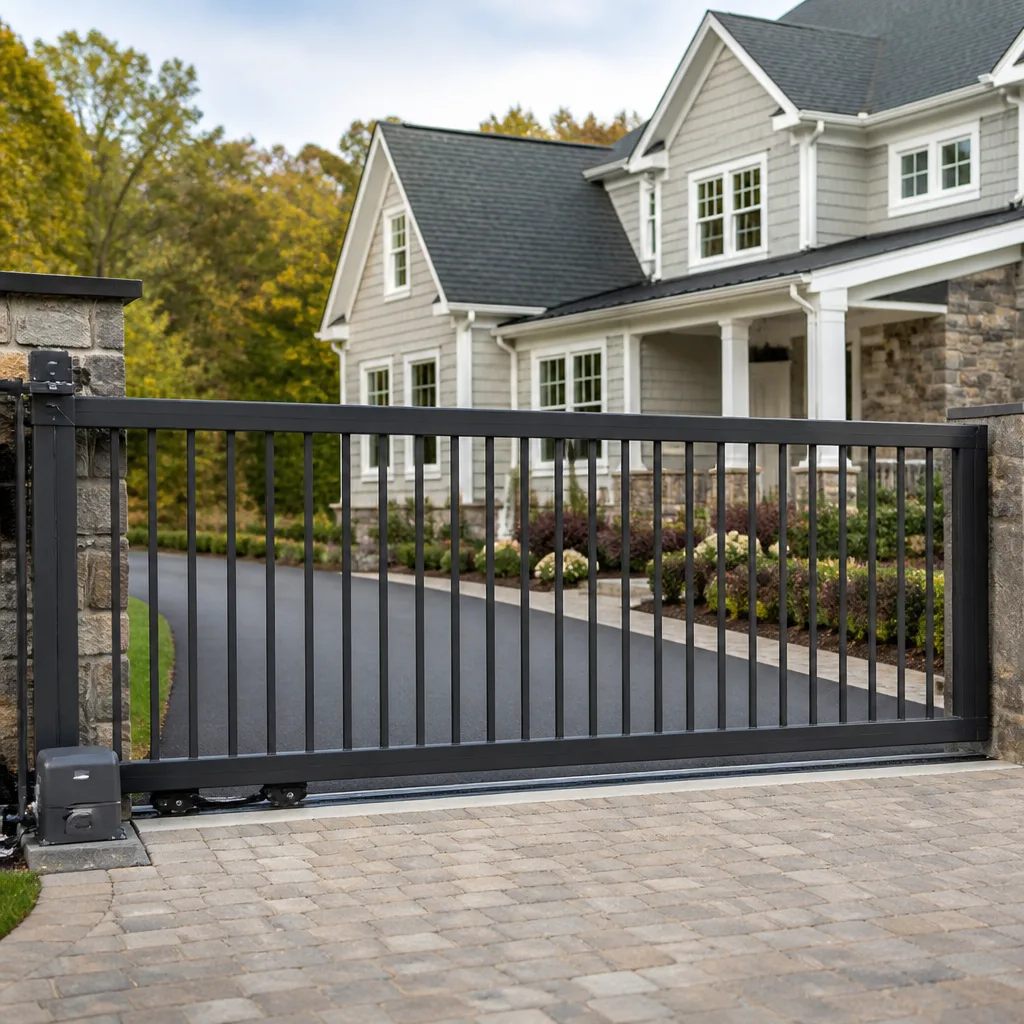 Sliding driveway gates
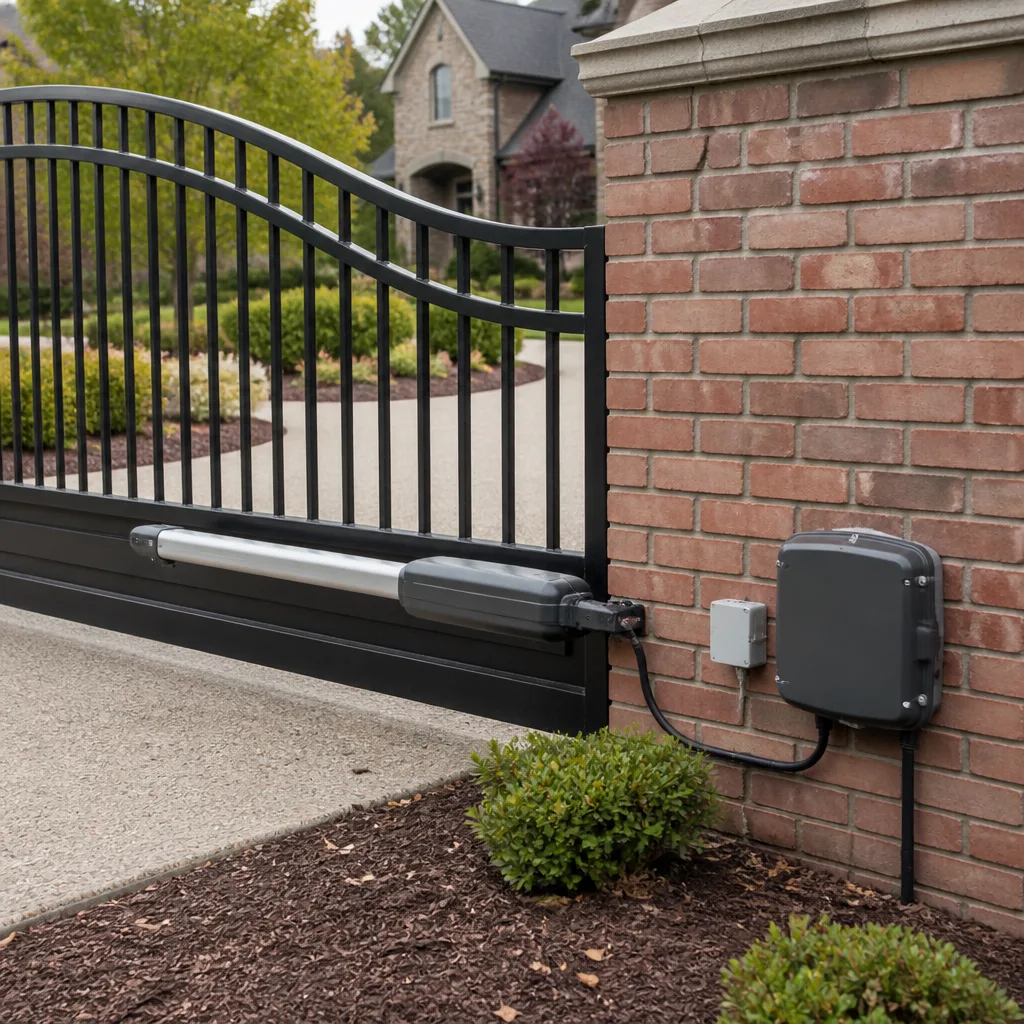 LiftMaster operators
Free on-site gate assessment - hinges, posts, and your LiftMaster or Nice gate operator checked before anything is quoted
The assessment is free and the quote is the invoice.
Get your free estimateGate Repair Warning Signs: An Evanston Homeowner’s Reference Guide
A gate that reverses when it meets an obstruction isn’t malfunctioning. It’s doing exactly what its safety system was built to do. Homeowners often read that behavior as a glitch and reach for the sensor to shut it off. That’s where the trouble starts, because a defeated safety edge on a heavy swing or slide gate has no way to stop for a child, a pet, or a car in its path.
Most warning-sign articles hand you a flat list and leave you to guess what matters. This guide sorts the symptoms instead. You’ll learn which signs mean watch and wait, which mean book a repair within the month, and which mean stop using the gate today. It’s written for Evanston homes and small commercial properties, where ornamental iron, older hardware, and powered gates all show up in the same neighborhoods.
Quick Answer
Gate repair warning signs fall into three tiers: cosmetic issues you can monitor, functional degradation you should schedule within 30 days, and safety-critical symptoms like a gate that won’t reverse, jumps its track, or drops on its hinges, which mean stop using it immediately. The tier decides your next step, not the symptom alone. Knowing the difference protects people first and your gate second.
Styles & brands we work with
- Wrought iron
- Wood & steel frame
- Farm & ranch
- Sliding driveway gates
- LiftMaster operators
Table of Contents
- The Three-Tier Triage System
- Warning Signs Unique to Electric Gates
- Warning Signs on Manual Gates
- Inspecting Welds and Hinges on Ornamental Iron
- When It’s Not the Gate: Access Control and Wiring
- How to Describe a Symptom on the Phone
- Evanston Seasonal Patterns That Affect Gates
- Common Mistakes to Avoid
The Three-Tier Triage System
Sort every symptom you notice into one of three tiers before you do anything else. The point isn’t to diagnose the fault yourself. It’s to know how urgently to act, and whether using the gate once more is a reasonable risk or a bad idea.
Tier 1 – Monitor. Cosmetic and slow-moving issues. Faded paint, light surface rust on a paint chip, a slightly stiff latch, a sagging that hasn’t changed in months. None of these compromise the gate’s ability to stop or open safely. Note them, keep an eye on them, and fold them into a scheduled visit rather than an urgent one.
Tier 2 – Schedule within 30 days. Functional degradation. The gate still works, but it’s working harder or more unpredictably. Think: the opener strains on the last third of travel, the gate hesitates before it reverses, a hinge groans, a keypad needs two or three presses, the gate drifts to one side of its track. These wear faster the longer you wait, and they tend to escalate at the worst moment.
Tier 3 – Stop using the gate today. Safety-critical. This is the tier most homeowners get wrong, because the gate still opens and closes and that feels like “working.”
- The gate closes and does not reverse when it meets an object or a person
- A swing gate drops on its hinges or drags the ground as it moves
- A slide gate has jumped its track or is riding up on the rollers
- A hinge, weld, or post is visibly cracked, bent, or separating
- The gate moves on its own, or keeps running after it should have stopped
- Any sparking, burning smell, or buzzing from a motor or control box
- Screws or bolts backing out of gate hardware
Any single item on that list moves you straight to calling a gate specialist. In Evanston, where a lot of gates sit close to sidewalks and alleys, a swing gate that drops or drifts is a hazard to more than the household. Rely on gate repair performed by technicians who work on gates specifically, not a generalist who fits the occasional fence.
Warning Signs Unique to Electric Gates
Most warning-sign lists blur automatic and manual gates into one. They’re different machines with different failure points, and confusing the two sends you looking for a problem that isn’t there. An electric gate has a motor, a control board, safety devices, and a power supply. Symptoms in that hardware belong to that hardware.
Electric-only warning signs to watch for:
- Slowing or straining on the closing stroke. A motor that labors suggests a mechanical drag, a failing operator, or a limit setting that has drifted.
- Random stops mid-travel. Often a safety device, a wiring fault, or a control board that isn’t receiving a clean signal.
- Reversing too easily or not at all. The safety edge or photo eye is misaligned, dirty, or has failed.
- Remote that needs several presses, or a shorter and shorter range. A sign the receiver, the battery, or the antenna is faltering.
- Motor runs but the gate barely moves. A drive or gear issue inside the operator, not the gate itself.
- Control box that clicks, buzzes, or smells warm. Electrical trouble that should never be handled by a homeowner.
- Keypad or intercom that works intermittently. A sign the issue sits in the access system, not the gate hardware.
Electric gate work is not a DIY job. Motors, control boards, and the line voltage feeding them can shock or injure, and the moving gate itself can crush. Treat any electrical symptom as something for a trained technician. We work on the operator you already have, whether that’s a FAAC, a BFT, a Linear, or another major brand, so the diagnosis happens on-site and the repair gets done right.
Warning Signs on Manual Gates
Manual gates fail differently, and they fail more slowly. Without a motor to strain, the warning signs show up in the gate’s own frame and hardware. A manual gate usually starts to bind, sag, or stick long before anything breaks.
Watch for these on a manual swing or slide gate:
- Binding that gets worse over the season. The gate catches on the ground or grinds as it swings, and the drag increases.
- Dropping on the hinges. The gate’s outer edge settles lower and lower until it scrapes.
- A loose post. The fence post the gate hangs from moves when the gate moves. That means footing or attachment work, and it never fixes itself.
- Hardware rusted or seized. Hinges that no longer turn cleanly, latches that stick, or a slide roller that has flattened.
- Twisted framework. The gate swings but the frame is out of square, which stresses every hinge on it.
If a manual gate binds, stop forcing it. Forcing a binding gate accelerates wear on hinges and posts and can bend the frame. In Evanston, older wood and iron gates near the lakefront neighborhoods see generous swings in humidity, so a gate that drags in summer can sit fine in winter. Get the cause diagnosed rather than adjusting the latch and hoping.
Inspecting Welds and Hinges on Ornamental Iron
Ornamental iron is common in Evanston’s historic districts, and it’s worth knowing what to look at. You don’t need a toolbox to spot the signs, just a good light and a careful eye.
- Walk the full perimeter of the gate and look at every joint where bars meet frame. Weld failure shows as a thin dark crack line, a hairline gap, or rust bleeding from a joint that was previously clean.
- Push gently on the gate in its closed position. If a joint moves or opens while the rest stays rigid, that weld is failing.
- Check the hinge plates and their fixings. Look for rust streaks running down from the hinge, screws that have backed out, or powder or metal dust on the ground beneath a hinge. That dust means metal is being ground away.
- Look at the post connection. The gate’s anchors into the post take the most load. Any gap or looseness there is a structural warning.
- Check the bottom rail and corners. Impact or rust weakening here can lead to a frame that is far more compromised than it looks from the outside.
A single failing weld in a heavy ornamental gate is a structural issue, not a cosmetic one. A gate spanning eight or ten feet can weigh a lot, and the load carries through each joint. Electric gates with iron panels add strain because every cycle loads the frame. If you see cracking, stop swinging the gate and get an on-site assessment.
When It’s Not the Gate: Access Control and Wiring
Some faults that look like gate problems aren’t gate problems at all. That distinction matters because it changes who you call and how the repair gets done. A gate that physically swings fine but won’t respond to your keypad may have a perfectly healthy mechanical assembly and a failed access system.
These symptoms usually point to access control or wiring, not the gate’s frame:
- The gate works from the remote but not the keypad, or the reverse
- The intercom rings but the gate doesn’t release
- Entry codes that used to work stop working
- The gate only responds from one side of the property
- Buttons work inside but nothing works outside
- The fob has to be pressed from a certain spot to trigger the gate
The right specialists handle the mechanical gate, the motor and operator, and the access electronics together. Splitting that work across a gate contractor, an electrician, and a security company is how a simple fault takes weeks and costs more than it should. When the fault could sit anywhere in that chain, call a team that covers gate access control as well as the gate itself. If your gut says the motor isn’t the issue, it’s worth asking whether the gate motor and opener is the component at fault or whether the trouble starts at the entry point.
Wiring and power deserve a caution here. The line voltage feeding a gate operator is genuinely dangerous, and a loose wire or a damaged gland is a shock and fire hazard. Turn the gate off at its breaker and call a professional. Don’t inspect the control box wiring yourself.
How to Describe a Symptom on the Phone
The better you describe what’s happening, the more likely the technician arrives with the right part and fixes it in one visit. Vague, panicked descriptions lead to a second trip and a longer wait. Specific ones speed everything up.
Have these details ready before you call:
- Gate type and material. Swing or slide, iron or wood, manual or automatic.
- Operator brand if you know it. Brand matters because parts and diagnosis differ widely across systems.
- What exactly happens, and when. “It reverses mid-way when closing, about three times out of five.” Not “it’s broken.”
- What changed recently. New keypad code, power cut, storm, new fob, a gate that just started doing this last week.
- What you’ve already tried. If you reset the breaker or re-pressed the remote, say so. It saves the technician time.
- Whether the gate is safe to use. If you’ve moved it to a stop and left it, say that clearly.
If you’re unsure which tier a symptom belongs to, describe it and ask. In our experience, an honest “I’m not sure if this is serious” over the phone gets a faster, better outcome than a guess. Have a photo ready if you can; a picture of a hinge, a control board display, or the gate’s travel tells a technician a lot.
Evanston Seasonal Patterns That Affect Gates
Gates in Evanston take real seasonal swings, and knowing the pattern helps you read a symptom correctly. The same gate can feel fine in May and bind in July, then sit comfortably through the winter. Weather draws out some problems and hides others.
What the seasons do:
- Summer humidity expands wood panels and softens the fit, so wood gates in Evanston can swell and drag in midsummer. Hinges that quiet down in winter often complain in July.
- Winter cold and frost stiffen hinges and can drive frost heave into gate posts. A gate that drags on the ground after the first hard freeze may have a footing issue.
- Freeze-thaw cycles work on welds and fixings, opening cracks that were tight. Spring is a good time to inspect iron gates.
- Spring and fall storms bring wind load on heavy gates, which stresses hinges and operator arms. Check the gate after any severe wind event.
- Salt and road grit off winter roads can settle into hinges and rollers and grind the hardware over time.
The practical takeaway is simple. If a symptom appears and then fades with the weather, don’t assume the cause left with it. We see a lot of Evanston gates where the seasonal nuisance turns out to be an early warning about bearings, hinges, or a footing that’s given slightly.
Common Mistakes to Avoid
- Disabling a safety sensor because the gate “keeps reversing.” That reversal is the system working. Shutting it off is how entrapment injuries happen. Get the cause diagnosed, not the sensor defeated.
- Forcing a binding gate through its full travel. Every forced cycle adds wear to hinges, posts, and the motor. Stop and find the drag source.
- Treating electric and manual gates the same. A warning sign on a motorized gate often has nothing to do with the frame, and vice versa. Diagnose the right system.
- Adjusting a latch to hide a sagging gate. The latch is a symptom. If the gate drops, the hinge or post is the cause, and a latch fix hides it until it fails harder.
- Calling a generalist contractor for a motor or access fault. A gate or fence generalist often guesses at the electronics. For Gate Repair Evanston work covering the mechanical, the electrical, and the digital side, a gate-only specialist saves time and repeat visits.
- Ignoring a post that moves with the gate. A wobbly post means an anchor or footing problem that gets worse with every cycle. Fix it before a heavy gate leans.
- Waiting out a small issue until the gate fails. A slow motor, a sticky hinge, or a keypad that needs several presses is a Tier 2 sign. Deal with it in 30 days, not the day it stops opening.
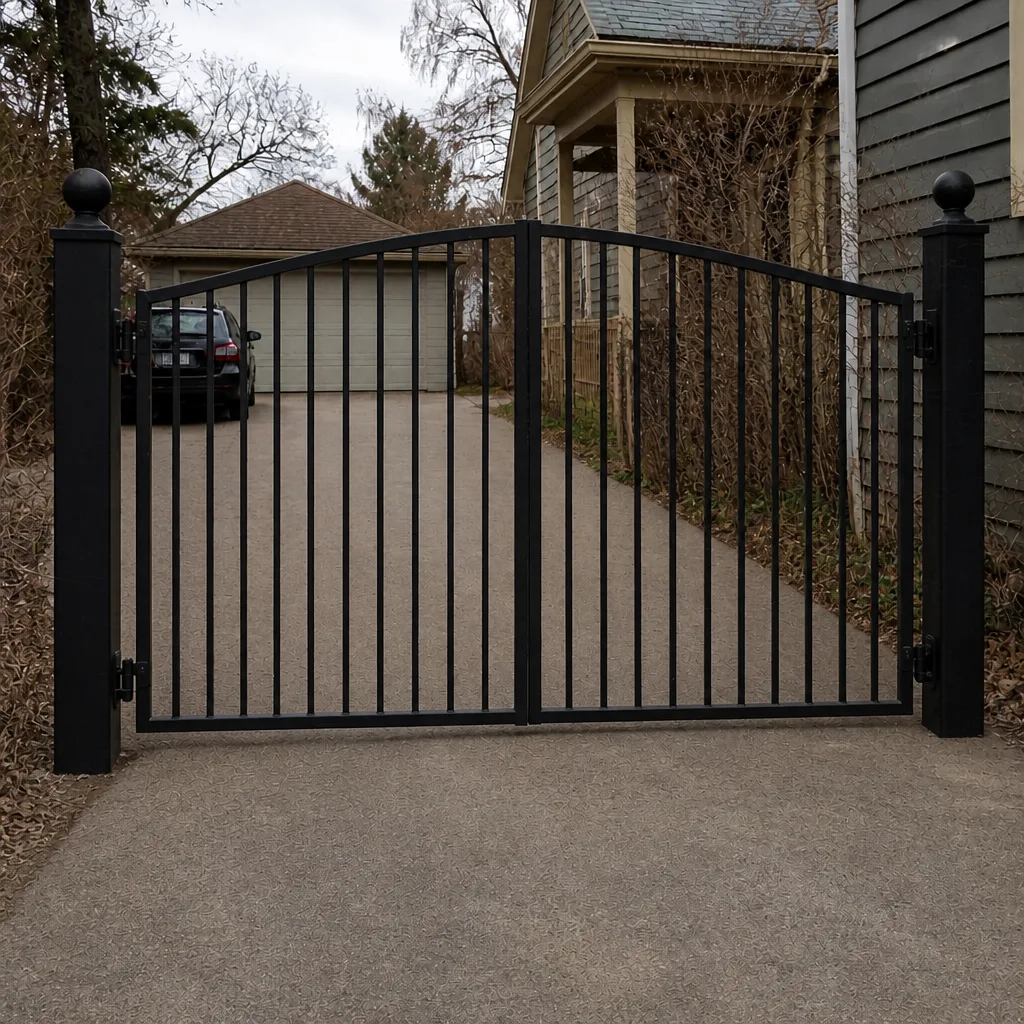
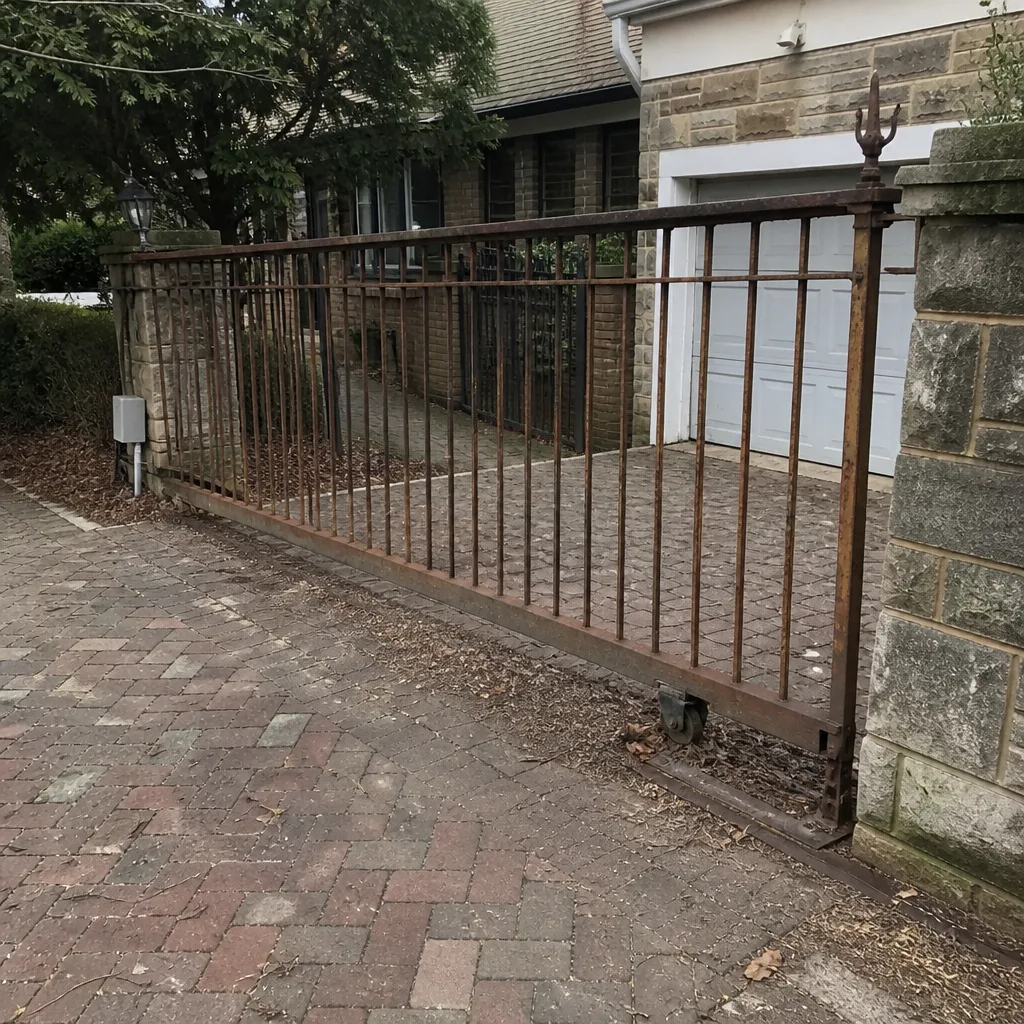
See the difference
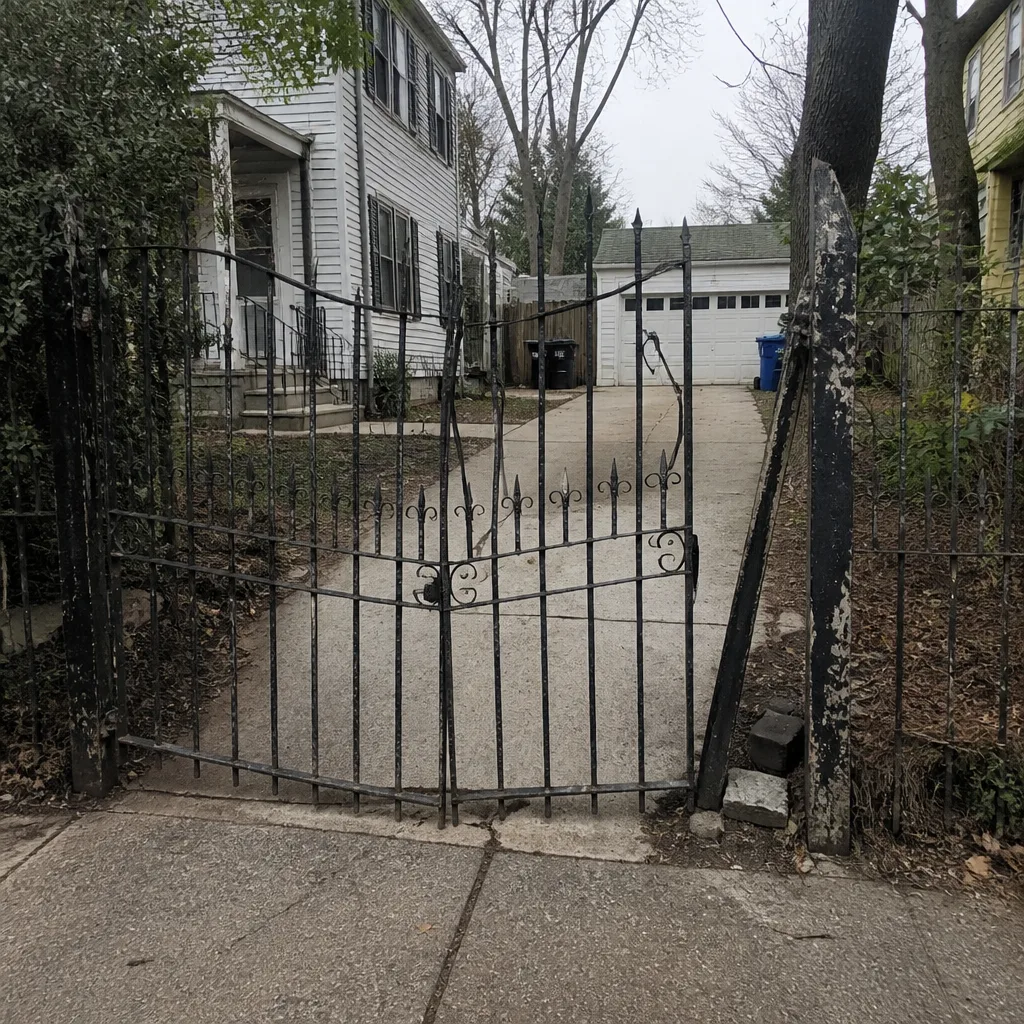 Before
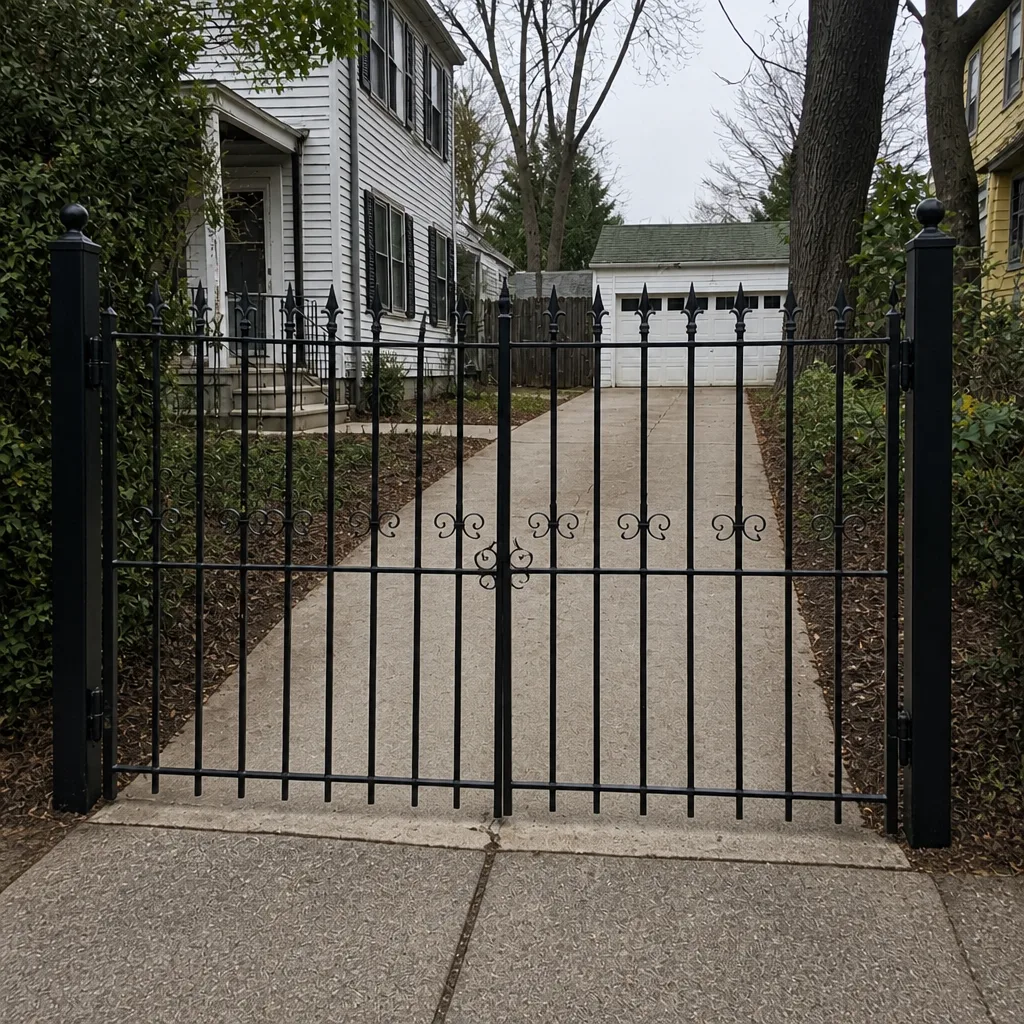 After
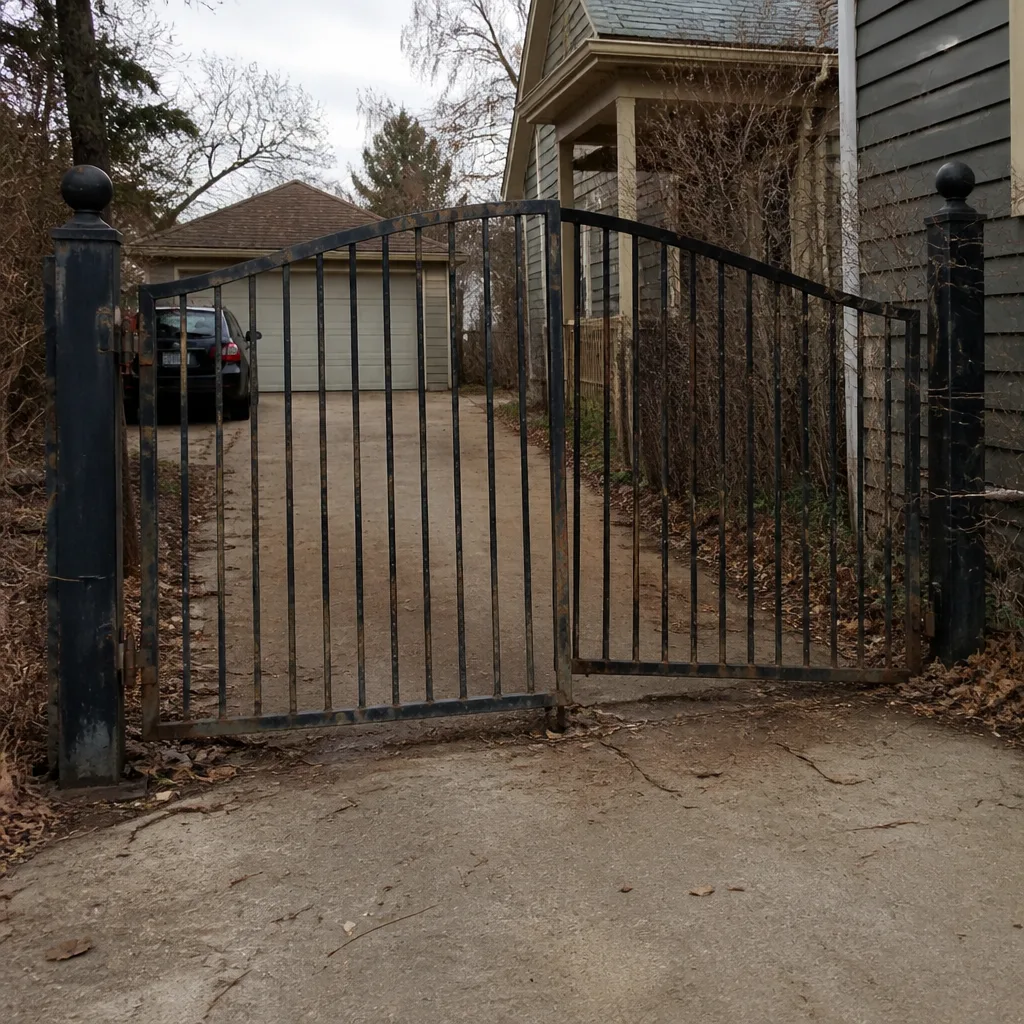 Before
 After
 Before
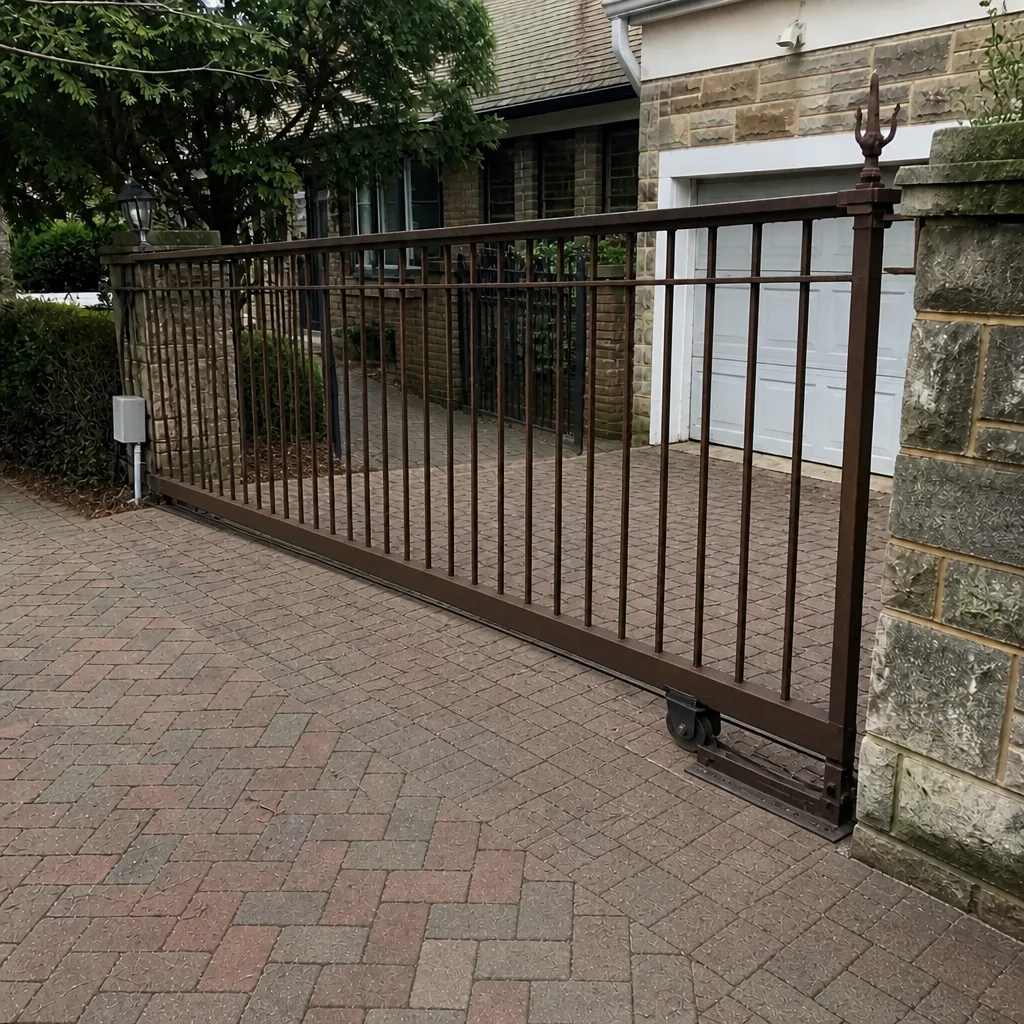 After
When to Call a Professional
Call a professional when a symptom is Tier 3 and the gate isn’t safe to use, when an electric gate shows motor, sensor, or control-box trouble, when an ornamental iron weld is failing, when a post is moving, or when an access-control fault has you stumped. Call when you’re unsure of the tier too. Triage only works if you apply it honestly.
For Evanston homes and light-commercial properties, the right call is one team that handles the whole gate system, from the hinge to the keypad. Our technicians have up to 12 years of experience, and we work on the brand you already have. Gate Repair Evanston offers free estimates in Evanston. Call (855) 658-5171 and we’ll sort out which tier your gate is in.
Frequently Asked Questions
A gate that won’t reverse when it meets an object, a swing gate that drops on its hinges, a slide gate that has jumped its track, and any sparking or burning smell from the motor are the most serious. Stop using the gate immediately and call a gate specialist. These are safety-critical symptoms, not maintenance items, and they belong to the tier that rules out using the gate today.
No, a gate that reverses on obstruction is doing what it was designed to do. It’s dangerous only if someone disables the safety sensor to stop the reversing. That sensor is the gate’s first line of defense against entrapment. If the gate reverses at the wrong times or too easily, have the sensor or safety edge checked rather than turned off.
If the gate swings cleanly and freely by hand but won’t respond to your keypad, fob, or intercom, the fault is usually in the access system or wiring. If the frame drags, the hinges bind, or the motor strains, the fault is in the gate hardware or operator. Call a team that handles both so the right component gets the attention. Call (855) 658-5171 for an exact quote on either.
Walk the joints for hairline cracks or rust bleeding from a weld, push gently on the gate to see if any joint moves, and look at hinge plates for rust streaks or metal dust on the ground below. Any cracking or movement is a structural sign. Iron gates in Evanston’s historic districts are heavy, and a single failing weld carries a lot of load.
No. Gate motors and control boxes carry line voltage that can shock or injure, and the moving gate can crush. Any wiring fault, buzzing control box, or burning smell is a call for a trained technician. Turn the gate off at its breaker and let a professional handle it.
Yes. Independent brands like Ghost Controls, Mighty Mule, and Viking are common on DIY-installed gates, and we work on them. General contractors often won’t take those jobs, which leaves homeowners unsure where to turn. Call (855) 658-5171 and we’ll book a visit.
The Bottom Line
Gate repair warning signs are useful only when you can sort them. Cosmetic issues get monitored. Functional degradation gets scheduled within 30 days. Safety-critical symptoms get the gate stopped today. Electric and manual gates fail differently, ornamental iron rewards a careful visual check, and some faults aren’t the gate at all but the access control or wiring behind it. Describe what’s happening clearly, and a gate specialist arrives with the right part. In Evanston, that triage habit is the difference between a quick repair and a hazard on the sidewalk.
Ready to get your gate back up and running? Call (855) 658-5171 for a free estimate. We answer 24/7. Fast dispatch from 7am to 7pm, Sunday through Friday. gate motor & opener service, access control, and full-system diagnostics come from one gate-only team.
Written by the team at Gate Repair Evanston.