
Last updated November 25, 2026
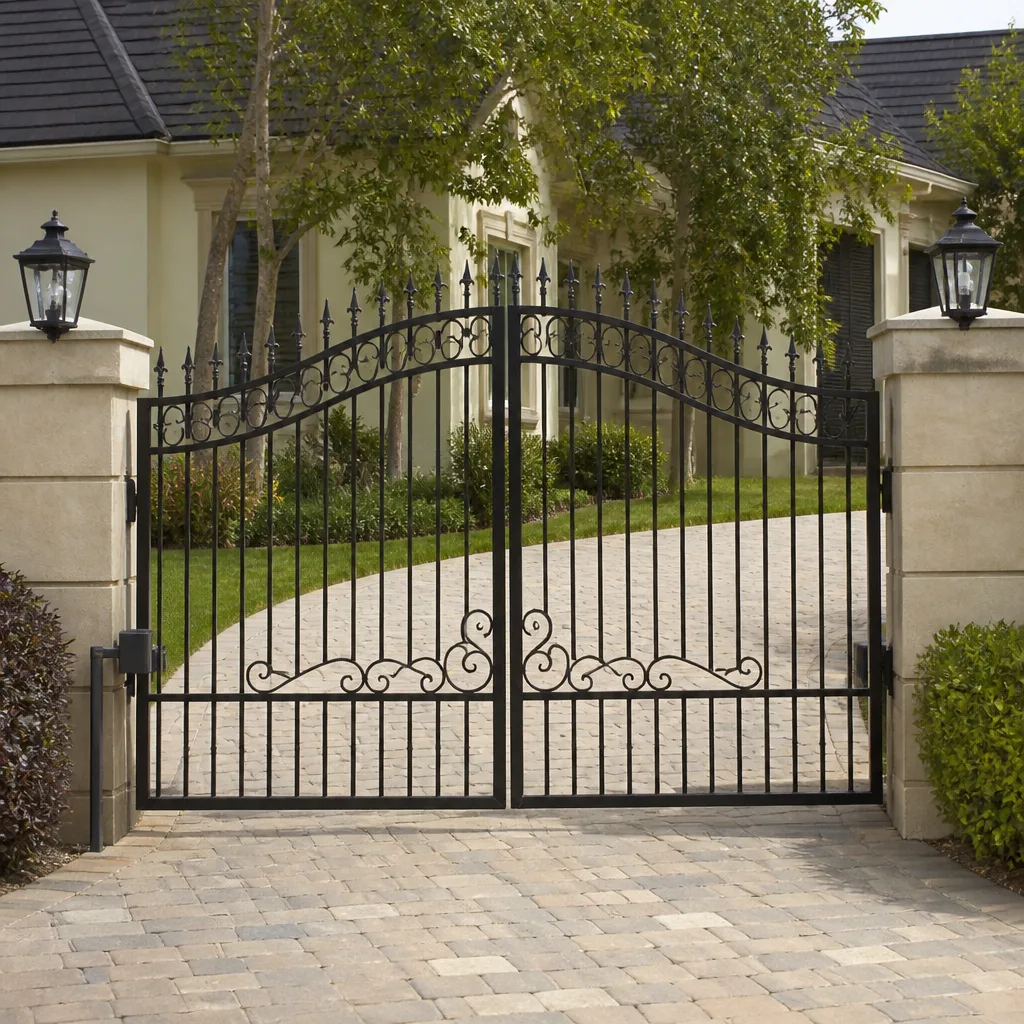 Wrought iron
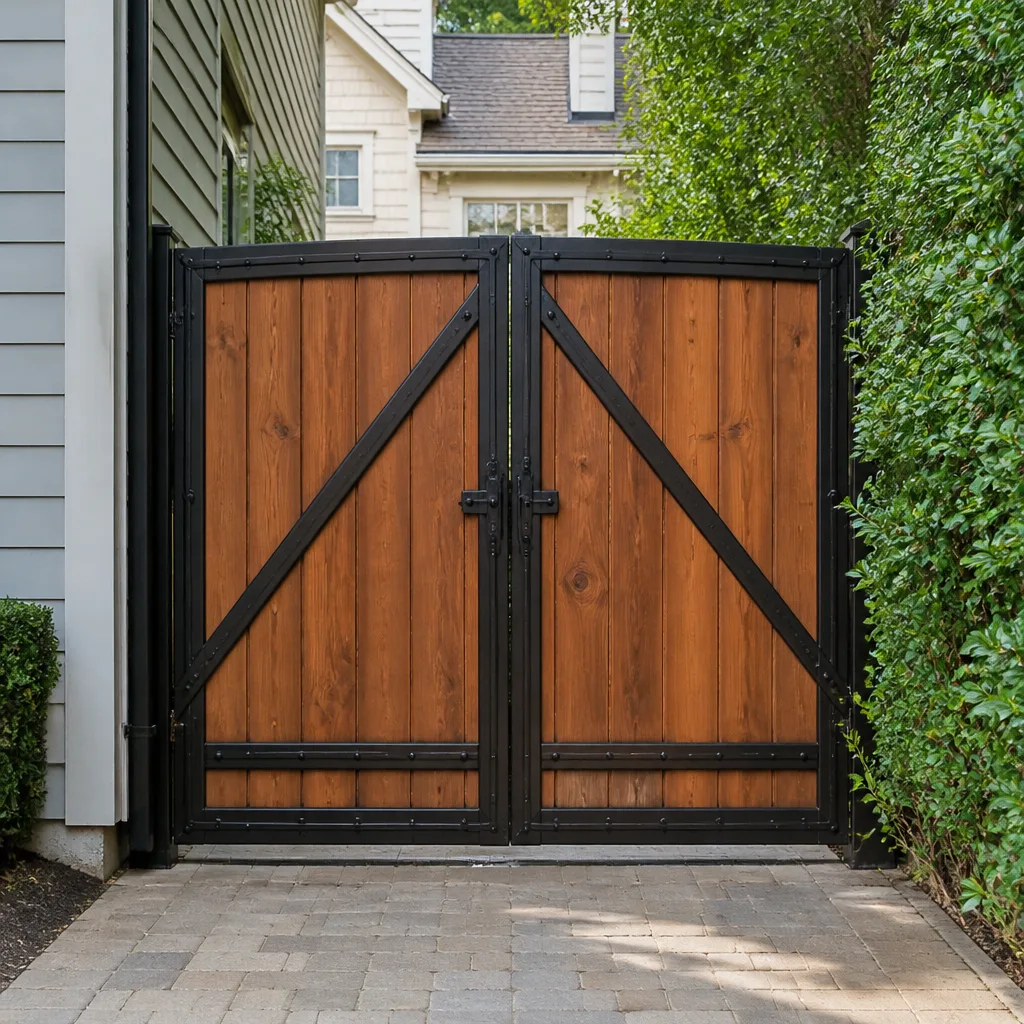 Wood & steel frame
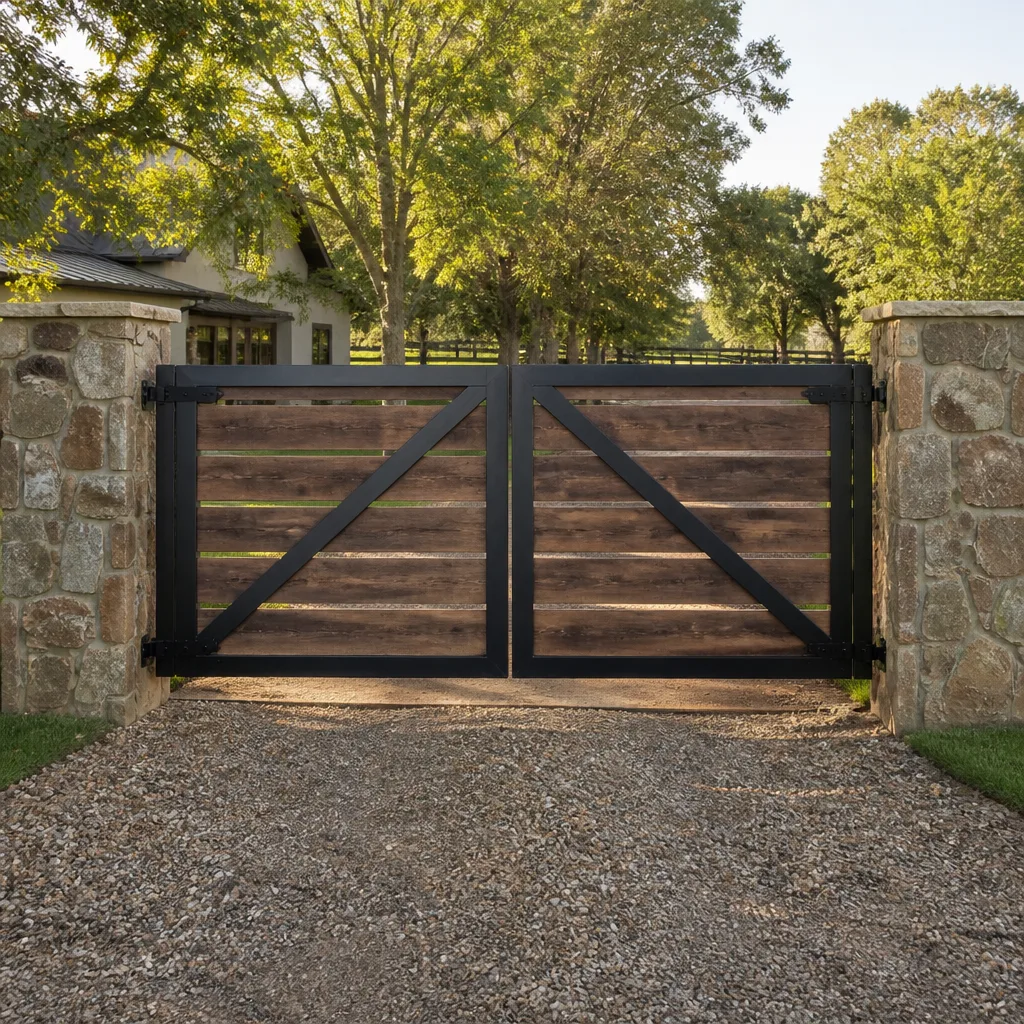 Farm & ranch
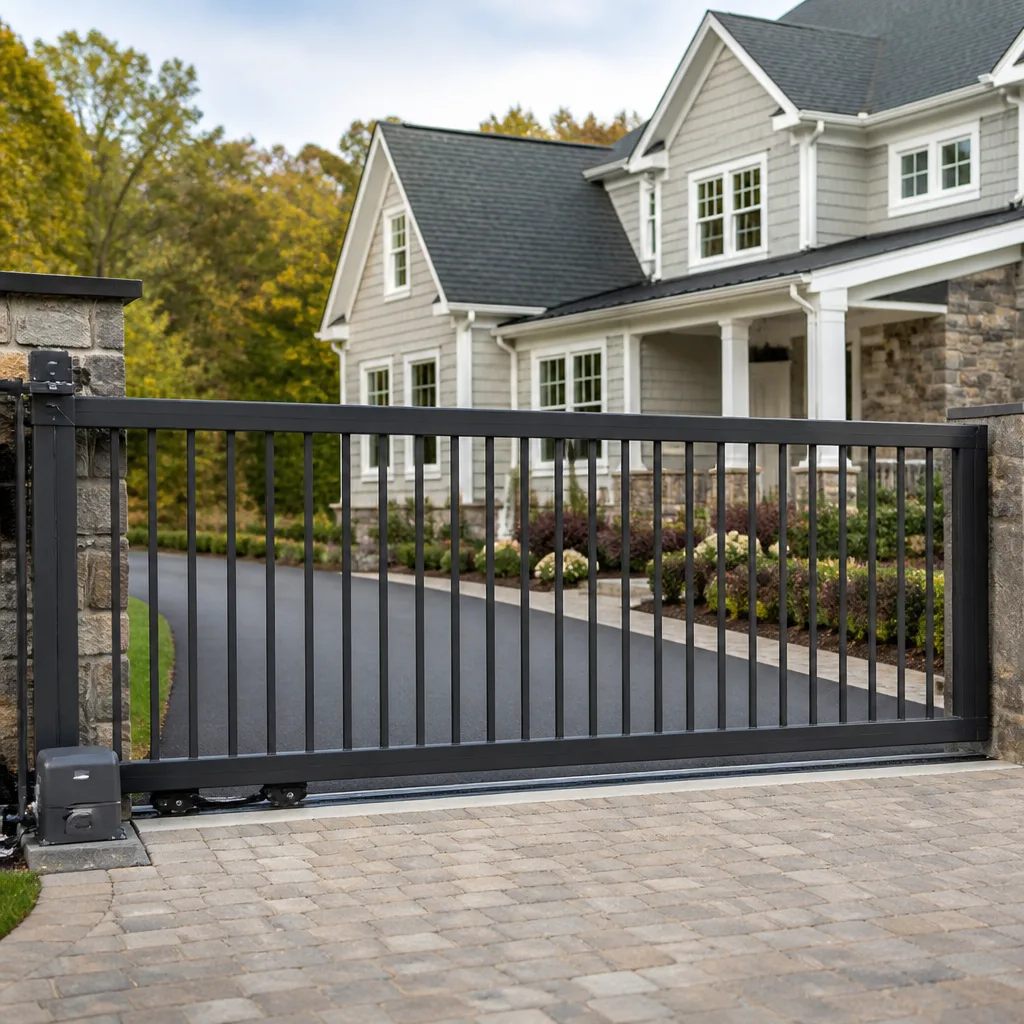 Sliding driveway gates
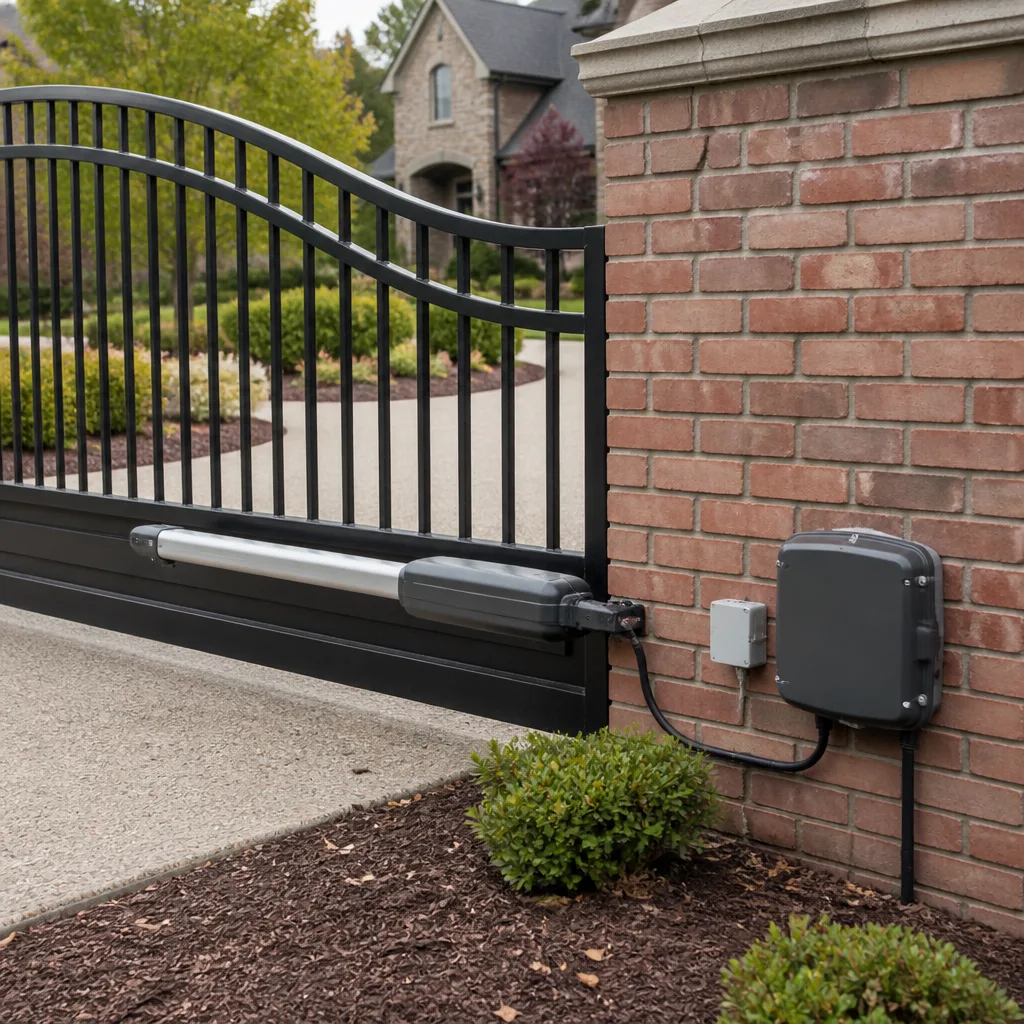 LiftMaster operators
Free on-site gate assessment - hinges, posts, and your LiftMaster or Nice gate operator checked before anything is quoted
The assessment is free and the quote is the invoice.
Get your free estimateGate Repair Emergency Preparedness Guide for Evanston Homes
A gate stuck open at 11pm isn’t the same problem as a gate stuck closed when you need to leave for a medical appointment. One is a security problem with time pressure. The other is an access problem with a clock running on it. But both feel equally urgent, and both are usually solvable without a panicked search for emergency gate repair in Evanston IL. Most homeowners haven’t planned for either scenario, which is why a small mechanical failure turns into a stressful morning. This guide gives you a decision tree before the emergency happens: how to release a stuck operator, how to secure a gate that won’t close, what to have on hand when you call, and a simple emergency card you can keep in the house. Evanston’s older housing stock and tight lots make gate planning a little different from newer suburbs, and we’ll cover that too.
Quick Answer
If your electric gate fails, the first step is to release the operator manually using the release key or lever on the motor, then secure the gate in whichever position is safe: closed if security matters, open if the driveway needs access. Once the gate is safely parked, call a gate specialist with your model, symptom, and power status ready, so diagnosis starts on the phone instead of on-site. Most gate emergencies in Evanston come down to power interruption, a worn limit switch, or a failed battery in the operator, and all three are repairable without replacing the whole system.
Styles & brands we work with
- Wrought iron
- Wood & steel frame
- Farm & ranch
- Sliding driveway gates
- LiftMaster operators
Table of Contents
- The Two Kinds of Gate Emergencies
- Manual Release for Common Evanston Gate Operators
- How to Secure a Gate That Won’t Close
- What to Have Ready Before You Call
- Power Outage Protocol and Battery Backup
- Building a Gate Emergency Card
- Evanston-Specific Factors: Weather, Trees, and Older Lots
- What Kind of Operator Do You Have?
The Two Kinds of Gate Emergencies
Every gate failure in Evanston falls into one of two categories, and they call for opposite responses. A gate that won’t open is an access problem. You can’t get the car out, the delivery is blocked, the kids can’t get through. The gate itself is probably fine mechanically; the operator, remote, keypad, or power supply has failed. A gate that won’t close is a security problem. The gate is open to the street, the property is exposed, and the risk climbs the longer it stays that way. The priority there is securing the opening, even if it means disabling the automation for a day.
Knowing which category you’re in changes what you do in the first five minutes.
- Won’t open: release the operator manually so you can move the gate by hand, then diagnose the operator and access control.
- Won’t close: stop trying to force the operator, secure the physical gate first, then call for repair.
- Moves but reverses: usually a safety sensor or photo-eye issue, not a mechanical failure. Check for obstruction at the gate path.
- Dead, no sound, no light: power or battery issue almost every time. Check the breaker and the operator’s battery before anything else.
The mistake we see most often is a homeowner treating a security failure like an access failure, or the reverse. Pushing a stuck gate with the operator still engaged can strip gears. Leaving a gate open all night because “it won’t close anyway” leaves a property exposed when a five-minute manual fix would have secured it. Our guide to gate repair covers the failure types in more depth, but the two-category framework is the one to remember at 11pm.
Manual Release for Common Evanston Gate Operators
Every electric gate operator sold for residential use has a manual release. This is the single most important feature to locate before you ever need it, because the release is what turns an emergency into an inconvenience. The mechanics differ by brand, but the goal is always the same: disengage the motor from the gate so the gate swings or slides by hand.
Here’s the general procedure, which applies to BFT, Linear, Viking, and Ghost Controls operators common on Evanston properties, along with LiftMaster, FAAC, DoorKing, Elite, and Mighty Mule. Always check your operator’s documentation for the exact release location on your model.
- Cut power to the operator at the breaker or the operator’s own disconnect, so the motor can’t engage while you’re working the release.
- Locate the release. On most residential swing operators it’s a keyed lock or lever on the housing; on slide operators it’s often a lever or a release chain under the cover.
- Insert the key and turn, or pull the lever until you feel the drive disengage. You’ll know it’s free when the gate moves by hand with light pressure.
- Move the gate by hand to the position you want (closed for security, open for access), then re-engage the release so the gate stays put.
- If the release won’t turn, don’t force it. A frozen release is a repair job; forcing it can snap the key or damage the gearbox.
What to do when the release is frozen or inaccessible
In Evanston’s freeze-thaw winters, release mechanisms can seize. If the key won’t turn or the lever won’t pull, the operator needs a technician with the right penetrating lubricant and the right tool, not a bigger hammer. The same applies when the release is buried behind landscaping or a fence panel that’s grown into it. If you can’t reach the release safely, call for service; forcing access is how a $200 repair becomes a motor replacement.
How to Secure a Gate That Won’t Close
A gate that won’t close is the higher-risk emergency, and the fix is usually mechanical rather than electronic. The goal is to close the physical opening without fighting the operator. Do that first, then diagnose.
The safest approach for a typical Evanston swing gate is to release the operator (see above), swing the gate closed by hand, and secure it with a padlock through the gate’s own latch or hasp. Slide gates are similar: release, slide closed, lock. If the gate has no built-in locking point, a length of chain through the gate frame and a fixed post, or a heavy-duty gate lock across the closed leaf, will hold it securely without damaging anything.
- Never block a gate with a vehicle as a security measure; it creates a fire-access problem and can be moved by anyone.
- Don’t jam objects into the gate track or hinge to stop movement; this bends the track and the frame.
- Disconnect the operator so a reset or power blip can’t send the gate moving while you’re near it.
- Note the failure mode before you lock up (did it reverse? stop halfway? make a grinding sound?) so the technician has a symptom to work from.
If the gate has to stay open for any reason (a delivery blocked, a part needed), park a vehicle or a temporary barrier in the opening. A few minutes of manual effort secures the property until a technician arrives.
What to Have Ready Before You Call
The fastest gate repairs start with a good phone call. When you call us, the technician can often diagnose the likely cause and bring the right part before leaving, which cuts the visit to one trip instead of two. That only works if you have the basics ready. Our technicians have up to 12 years of experience, and in our experience the calls that go fastest have four pieces of information.
- The operator brand and model. The label is usually on the inside of the housing cover or on the underside. LiftMaster, FAAC, BFT, Linear, Viking, Ghost Controls, DoorKing, Elite, and Mighty Mule all label their operators clearly; a photo of the label is enough.
- The symptom, described plainly. “Won’t open at all, no motor sound” is more useful than “it’s broken.” Did it stop mid-travel? Reverse immediately? Grind? Work from the remote but not the keypad?
- Power status. Is the operator getting power? Check the breaker and the operator’s LED or display. If the operator has a battery, has it been tested recently?
- Access control status. If you use a keypad, intercom, or remote, note which entry method fails and which still works. That narrows a gate access control problem from an operator problem.
A photo of the label, a photo of the gate in its current position, and the symptom in one sentence solves most of the diagnostic work before anyone arrives.
Power Outage Protocol and Battery Backup
Not every gate failure needs a technician. Some need a battery. Most residential gate operators support a battery backup, and most homeowners don’t know whether theirs has one until the power goes out and the gate either works or doesn’t. That’s the wrong time to find out.
Here’s how to check before the outage happens:
- Look for a battery compartment on or near the operator housing. Most residential operators with backup have a visible battery box, often a separate unit wired to the motor.
- Check the operator’s manual or label for the backup option your model supports. Ghost Controls and Linear residential operators commonly support a backup; larger commercial-grade units like DoorKing sometimes don’t.
- Test the battery by cutting power at the breaker and swinging the gate on the backup. If it moves slowly or not at all, the battery is failing.
- Note the battery age if it’s labeled. Backup batteries fail on roughly the timeline of any sealed lead-acid battery, and a backup that’s several years old is worth replacing before the next storm.
When the power does go out and the gate stays stuck, the release procedure above gets you through. We answer 24/7. A call outside dispatch hours is booked into the next opening, Sunday through Friday, 7am to 7pm. Fast dispatch from 7am to 7pm handles most same-day gate calls in Evanston. For battery testing, backup installation, and operator service, our gate motor & opener page covers the work in detail.
Building a Gate Emergency Card
An emergency card is exactly what it sounds like: a small card or sheet kept where you can reach it in a hurry, with the information needed to operate your gate manually and call for help. It takes a half hour to make and it saves the next person in your house twenty minutes of panic. The gate doesn’t care who’s operating it, and neither does the technician; what matters is that whoever’s on-site has the right steps in front of them.
Here’s what goes on the card:
- Operator brand and model (copy from the label).
- Location of the manual release and which key or tool it needs (tape the spare key to the card or store it inside the house).
- Which direction to move the gate by hand to secure it: closed for security, open for access.
- Where the breaker is and what it looks like.
- Whether a battery backup is installed, and where.
- Phone number of a gate specialist and the phrase “We answer 24/7” so anyone in the house knows the call is answered.
- Property address and a note about any access code or entry method the technician will need.
Share the card with your houseguests, tenants, and property manager. If you rent out the property, a laminated copy posted inside the gate-side door saves tenants a scrambling phone call and you a repair from someone forcing the release. For multi-unit buildings in Evanston, keep a copy with the building maintenance contact even if your gate is a single-family swing. Property managers who look after several gates around town find the card approach spreads fast; it’s the lowest-cost preparedness step available.
Evanston-Specific Factors: Weather, Trees, and Older Lots
Evanston’s gate failures have a local signature. The city’s housing stock runs old, with narrow lots, deep setback driveways, and mature trees that drop limbs, seeds, and leaf litter onto tracks, photo-eyes, and hinges. Where newer suburbs have wide driveways with room to maneuver, many Evanston properties have a gate that has to be exactly right to operate, so a small obstruction or misalignment shows up as a fault.
Freeze-thaw is the other factor. Release mechanisms, hinges, and slide track wheels that work fine in October can bind in February. The practical response is a seasonal check of the gate’s moving parts before the first hard freeze, not a full maintenance plan but a one-time visit to lubricate, test, and adjust. When something does freeze up, a manual release that won’t turn is usually a cold-weather lubrication issue, not a broken operator.
Mature trees also mean obstructions a photo-eye reads as a gate fault. A single leaf on a safety sensor can make a gate refuse to close, and that’s the most common “won’t close” cause we see in Evanston. Check the sensor path before assuming the motor failed. If the gate has a physical obstruction issue, the fix can be as simple as clearing the path; if not, the sensor or limit switch is the likely cause.
For properties along the lakefront and older neighborhoods like the areas around Northwestern and the Central Street corridor, gates often sit close to fencelines and garages with limited clearance around the operator, which makes manual release practice more important. Know the release path before winter. We handle Gate Repair Evanston calls across these neighborhoods with the same gate-only focus.
What Kind of Operator Do You Have?
The manual release and the diagnostics above work across the major brands, but the specifics change with the operator. Knowing which family your gate belongs to tells you what to expect on the release, on the backup, and on the likely failure mode.
- BFT swing and slide operators are common on residential gates in Evanston. Release is typically keyed on the housing. Limit switches are the most frequent fault.
- Linear operators often have clear LED status and a separate battery backup option; the LED tells you power and fault status at a glance.
- Viking residential operators are robust but battery failures and photo-eye faults are the usual suspects.
- Ghost Controls operators are popular on DIY-installed residential gates. They have clear release levers and well-documented backup options, which makes them the easiest to prepare in advance.
- Commercial and multi-unit gates in Evanston often run on DoorKing units with integrated access control; those releases and backups work differently and are worth a labeled emergency card.
We work on the brand you already have, and we cover all nine major brands including LiftMaster, FAAC, BFT, Linear, Viking, Ghost Controls, DoorKing, Elite, and Mighty Mule. A gate-only specialist doesn’t subcontract the brand-specific repair or the access control integration; both are handled in one service call. If the operator is failing, that’s a motor and opener replacement decision; if the operator is fine but the entry method fails, that’s access control. The two are separate, and knowing which you have speeds the fix.
Common Mistakes to Avoid
- Forcing a stuck gate with the operator still engaged. This strips gears in the operator and can bend the gate arm. Always release the operator first.
- Ignoring the photo-eye. A single leaf on the sensor path makes the gate refuse to close; check the sensor before calling it a motor failure.
- Pushing a frozen release. In Evanston’s February cold, a release that won’t turn usually needs lubrication, not more force. A snapped key or sheared gearbox turns a small job into a major one.
- Leaving the gate open all night “because it won’t close.” Release the operator, close the gate by hand, and lock it. Five minutes of manual effort secures the property.
- Calling without the operator model. The brand and model on the label tells the technician which release, which battery, and which parts to bring. Without it, the first visit is often a diagnosis only.
- Assuming the battery backup will work. Test it before the outage. A backup that’s never been tested is a backup you don’t have.
- Trying to service the operator’s electrical connections yourself. Line voltage and the safety edges are dangerous to work on. Call a trained professional for anything beyond the manual release.
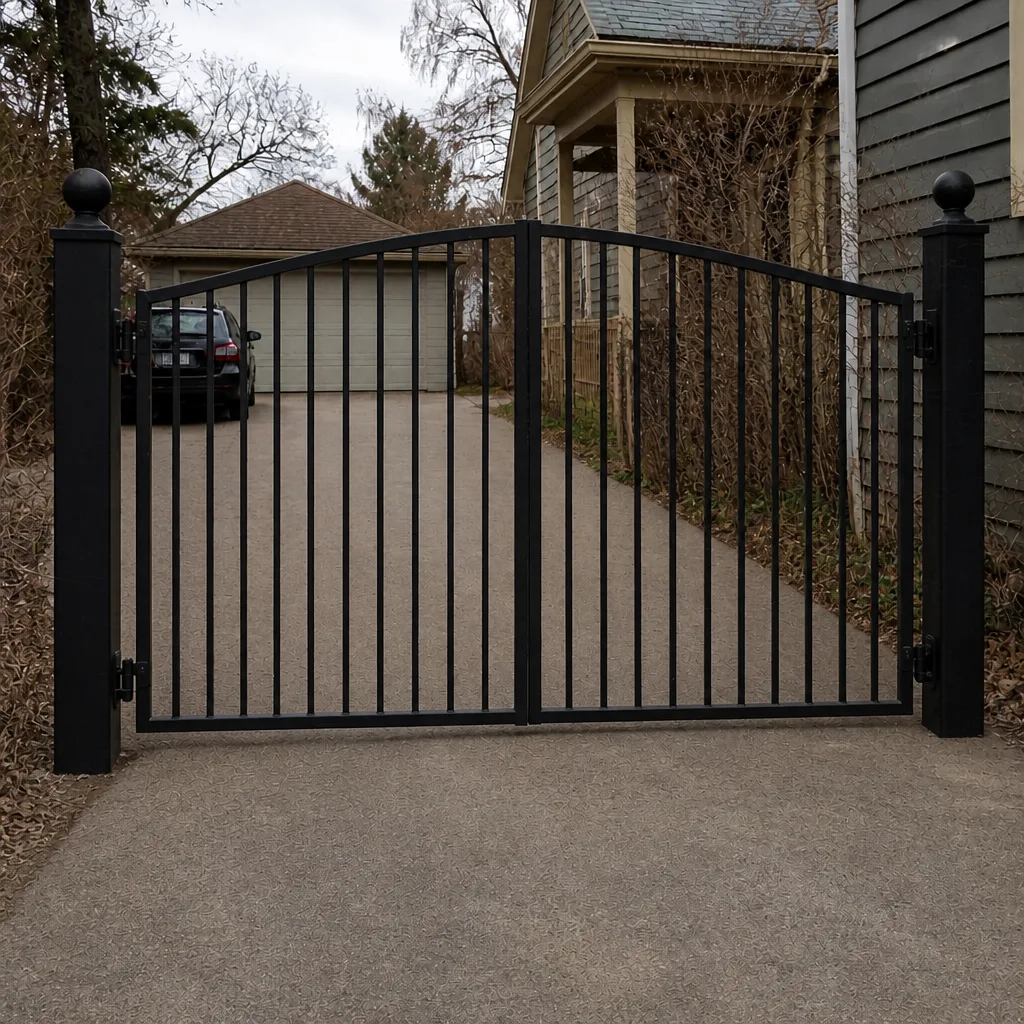
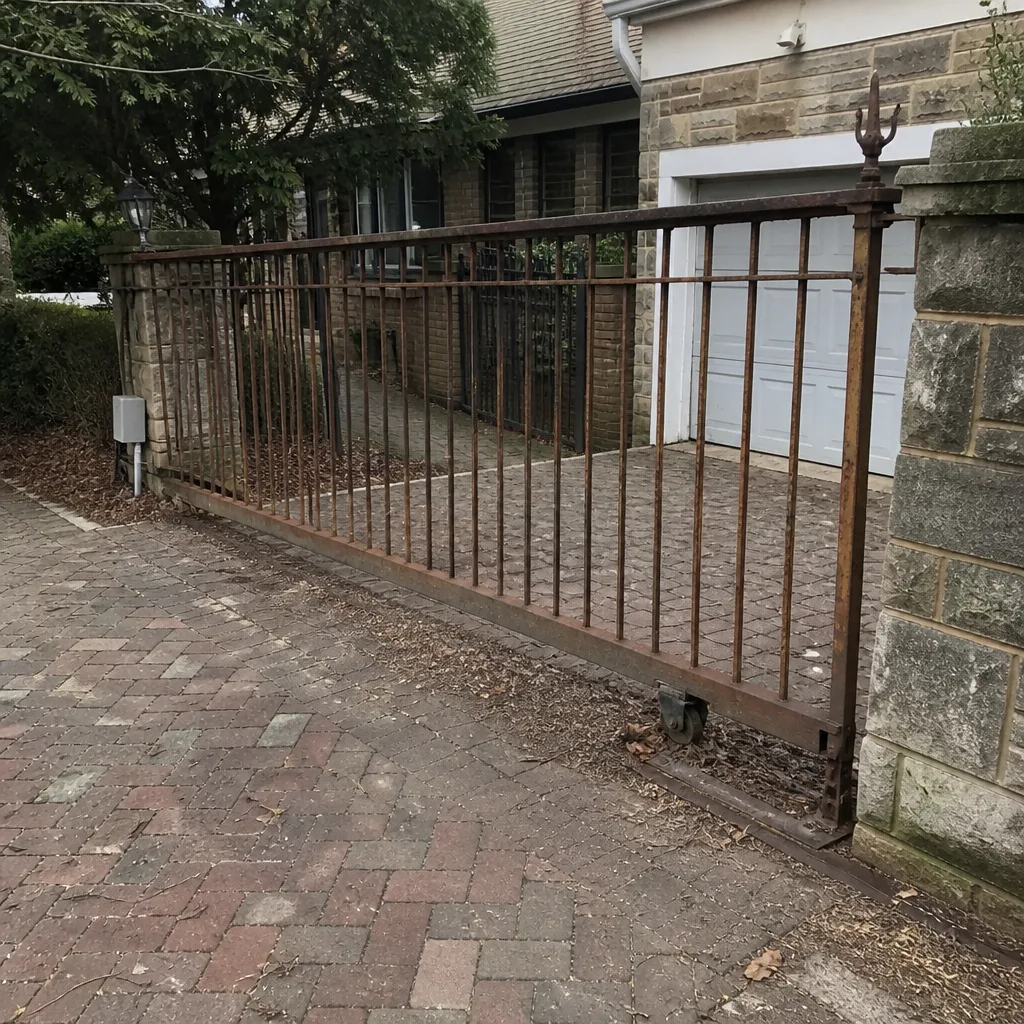
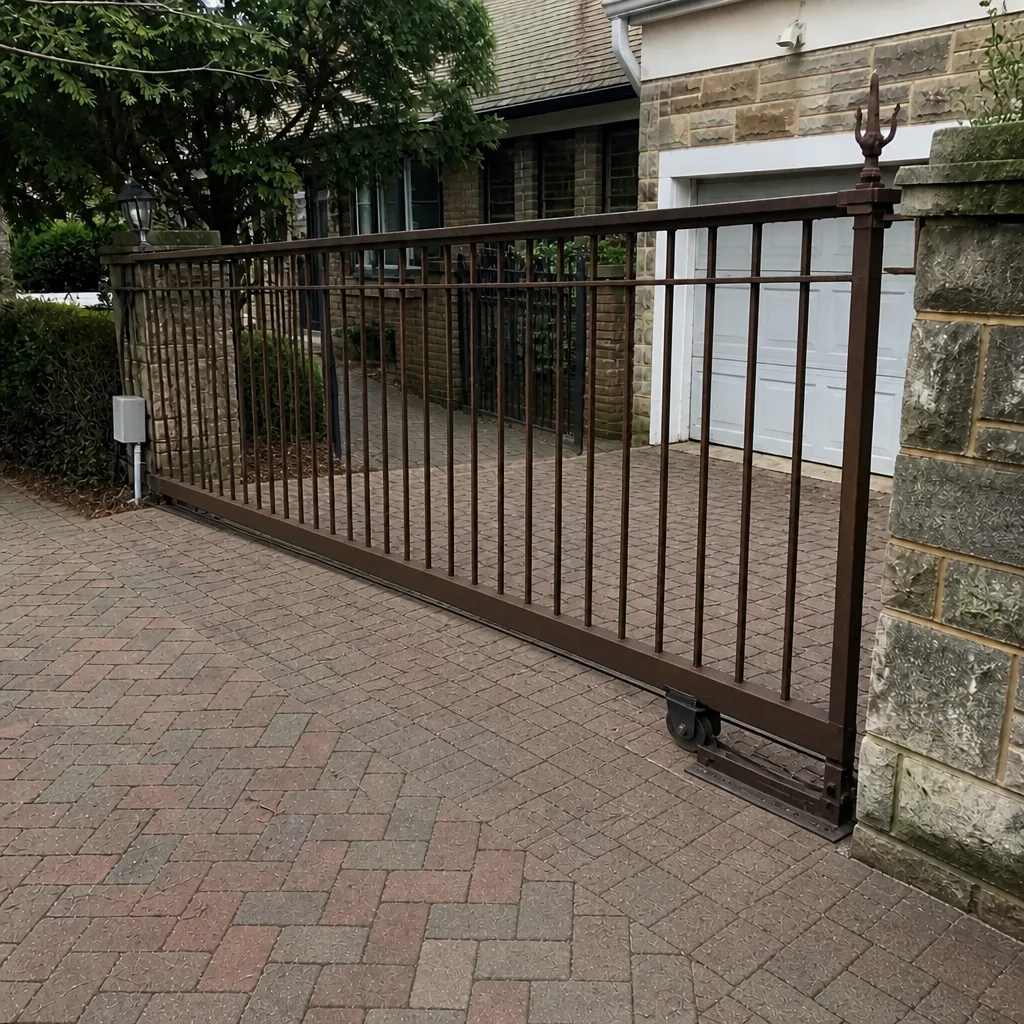
See the difference
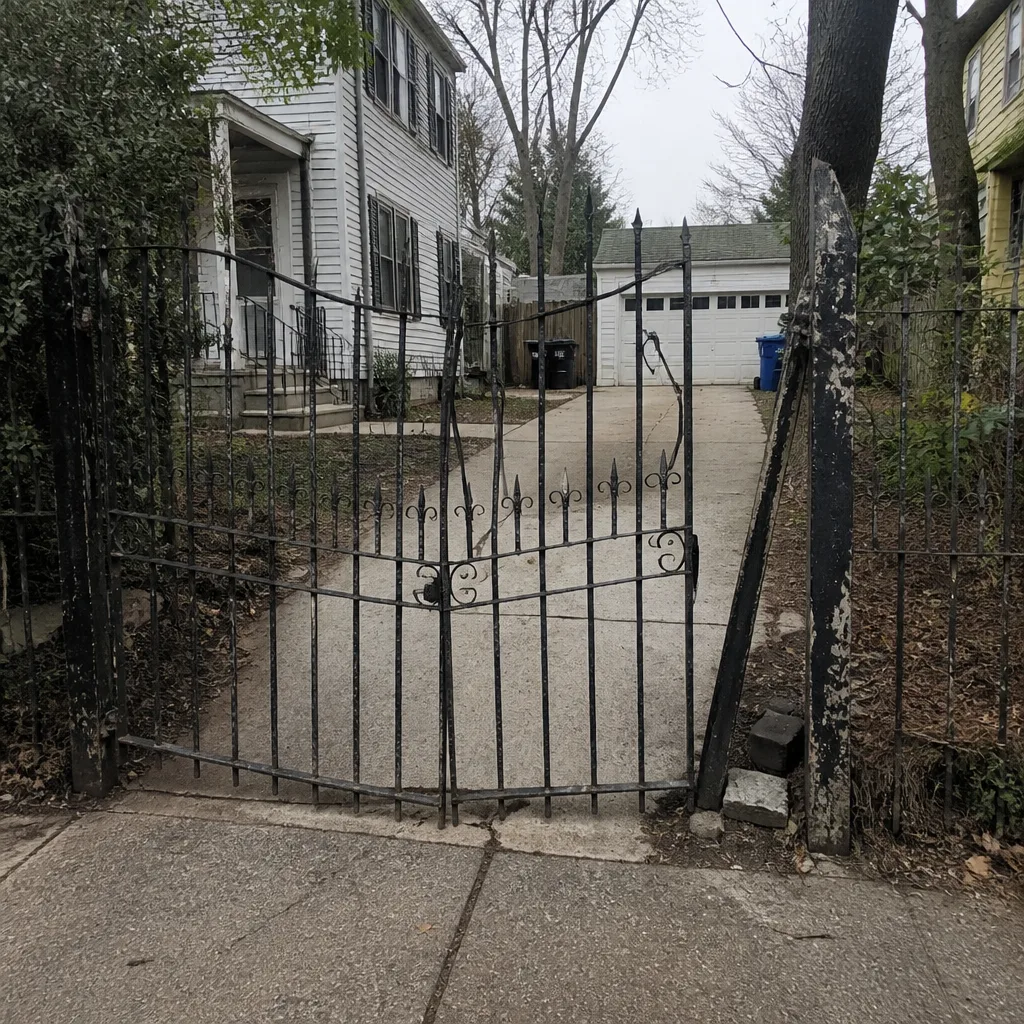 Before
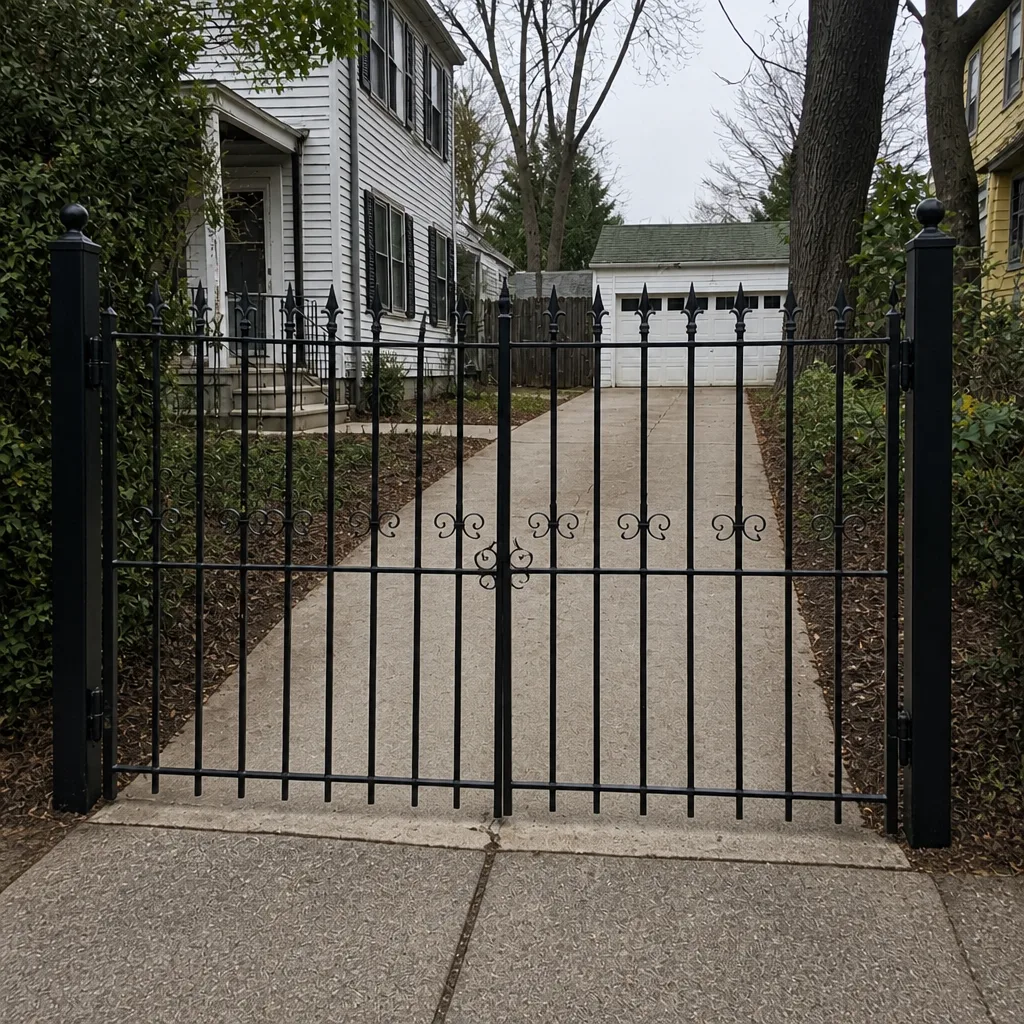 After
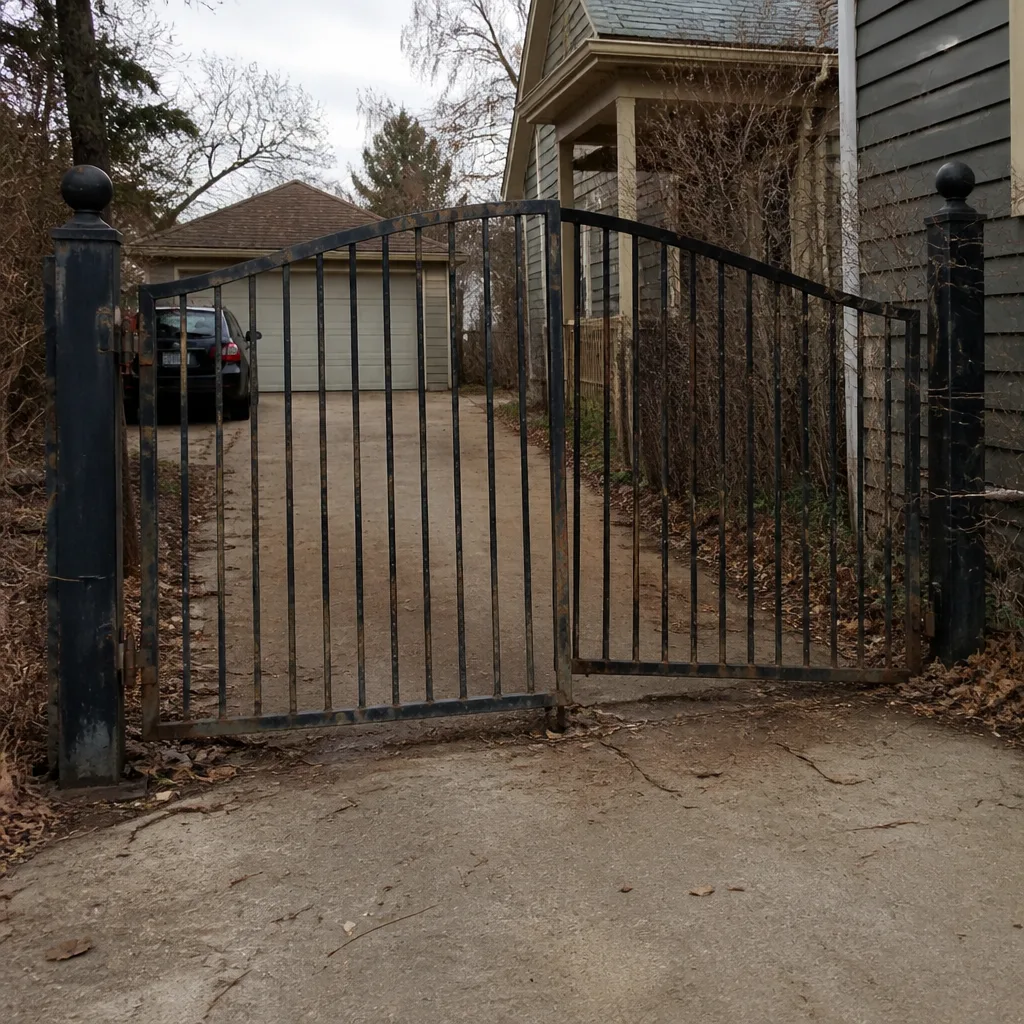 Before
 After
 Before
 After
When to Call a Professional
Call a gate specialist when the release won’t turn, when the operator has no power and the breaker isn’t the cause, when the gate won’t close and manual release plus a locked gate doesn’t solve it, when the gate moves but reverses repeatedly, or when the access control (keypad, intercom, remote) stops working while the gate itself is fine. Any electrical fault, safety edge failure, or intermittent behavior that comes and goes is a job for a trained technician. Gate operators carry line voltage and safety edges carry a duty of care that isn’t worth learning on your own. Gate Repair Evanston offers free estimates in Evanston. Call (855) 658-5171. We answer 24/7. Fast dispatch from 7am to 7pm, Sunday through Friday.
Frequently Asked Questions
Yes. Every residential electric gate operator has a manual release; turn the key or pull the lever to disengage the motor, then move the gate by hand. Locate the release before you need it and test it while the power is on so you know it works. Call (855) 658-5171 for an exact quote on a repair – estimates are free.
Gate repair in Evanston is priced per job from a written estimate, so the cost depends on the failure: a manual release or sensor issue costs less than a limit switch or gearbox repair, and motor replacement costs more than either. The estimate is free and the written price is agreed before any work starts, so there’s no invoice surprise. Call (855) 658-5171 for an exact quote.
Fast dispatch from 7am to 7pm, Sunday through Friday, handles most same-day gate calls in Evanston, and we answer the phone 24/7. A call outside dispatch hours is booked into the next opening, Sunday through Friday, 7am to 7pm. If the gate won’t close, secure it manually first and call (855) 658-5171 – estimates are free.
Many residential operators do, but not all. Check for a separate battery box near the operator housing or look up the model’s options, then test it by cutting power and swinging the gate. A backup that hasn’t been tested recently is unreliable. Call (855) 658-5171 to have a technician test or install a backup – estimates are free.
Have the operator brand and model, the exact symptom, the power status, and which entry method fails. A photo of the label covers the first item. With those four facts, the technician can often bring the right part and finish the repair in one visit. Call (855) 658-5171 for an exact quote – estimates are free.
You can safely perform the manual release and secure the gate by hand, and that’s what we recommend in an emergency. Don’t work on the operator’s electrical wiring, the safety edges, or the access control wiring; those are for a trained technician. For anything beyond the manual release, call (855) 658-5171 – estimates are free.
The Bottom Line
Gate emergencies split into two problems: won’t open (access) and won’t close (security). Each has a first response: release the operator for access, secure the gate by hand for security. The rest of the preparation is small: know your operator’s brand and model, find the manual release before you need it, test the battery backup before the outage, and keep an emergency card where anyone in the house can find it. Evanston’s freeze-thaw winters and mature trees mean releases and sensors need a look before the season turns, not after. Our technicians have up to 12 years of experience, and we work on the brand you already have. None of this replaces a trained professional for electrical faults, safety edges, or access control wiring. For a free estimate, call (855) 658-5171. We answer 24/7. Fast dispatch from 7am to 7pm, Sunday through Friday, closed Saturday.
Written by the team at Gate Repair Evanston.