
Last updated November 25, 2026
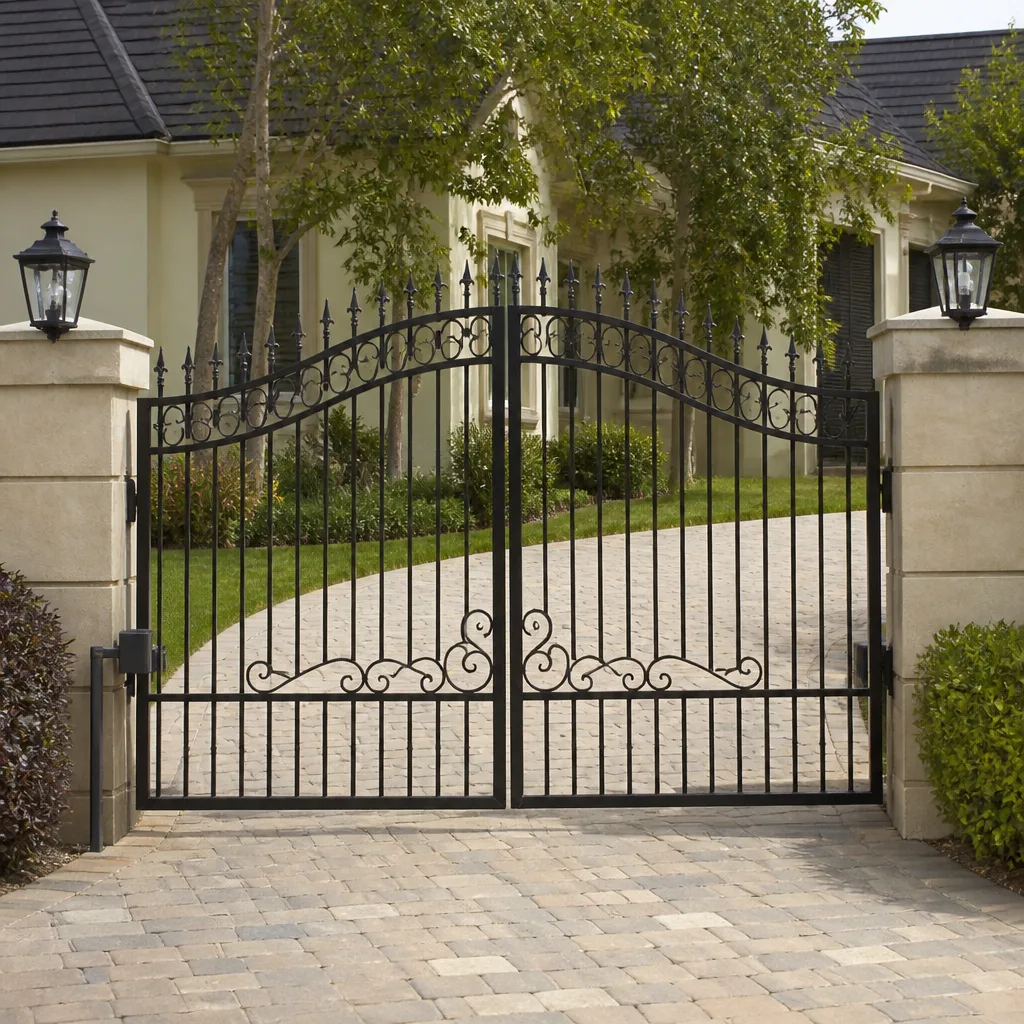 Wrought iron
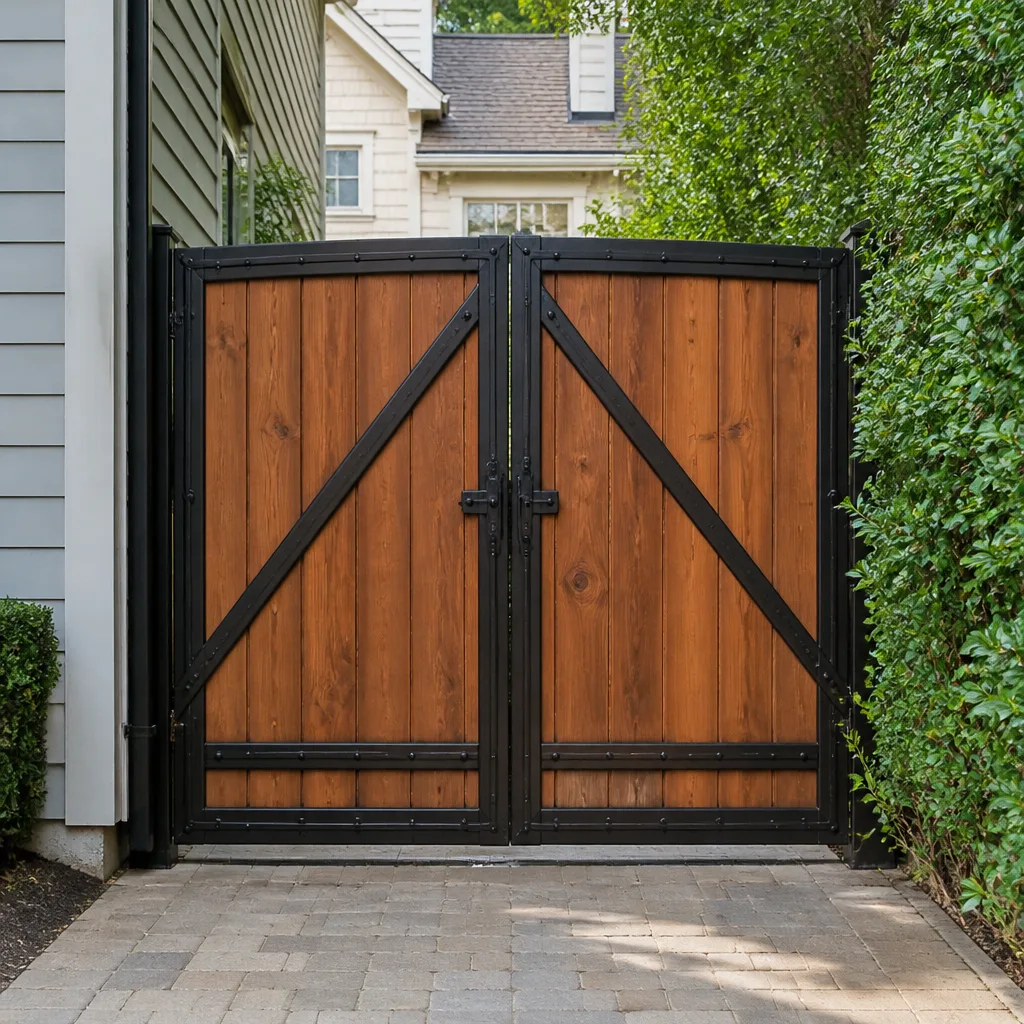 Wood & steel frame
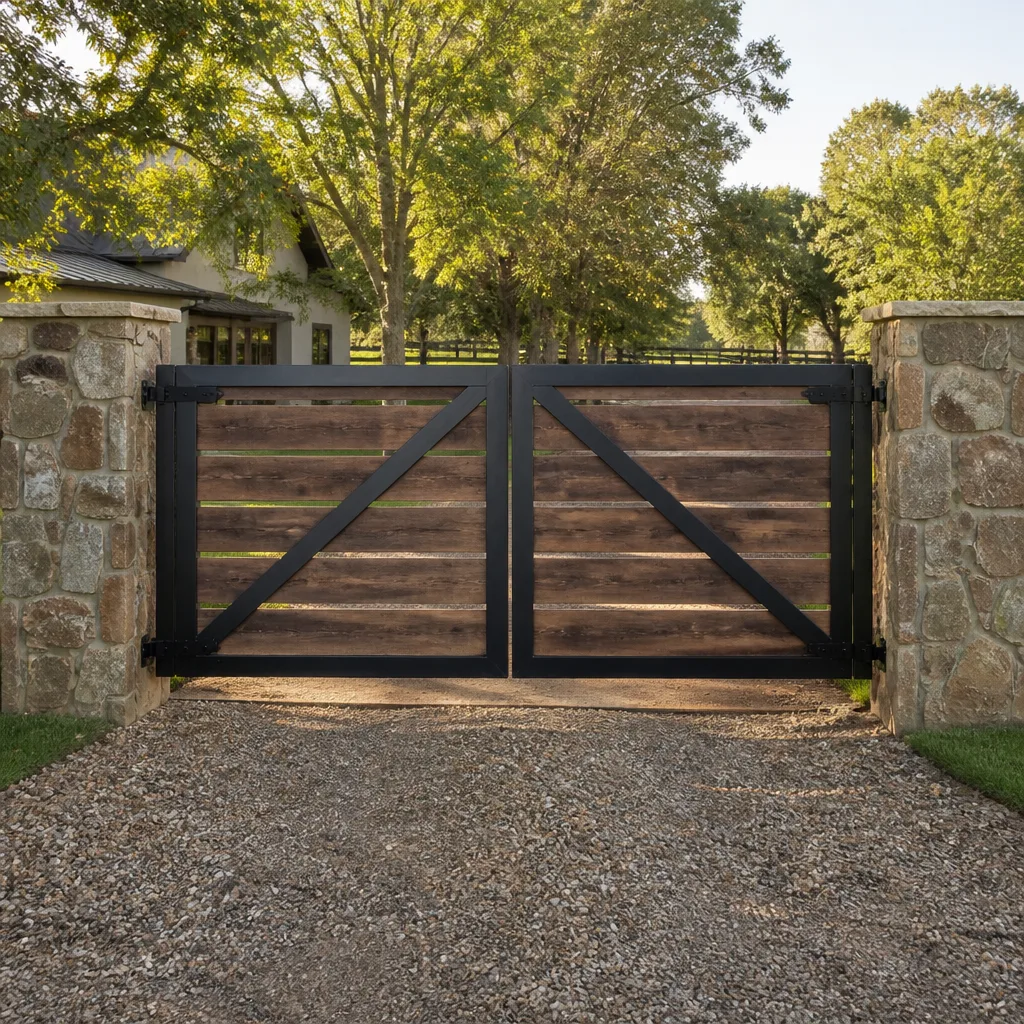 Farm & ranch
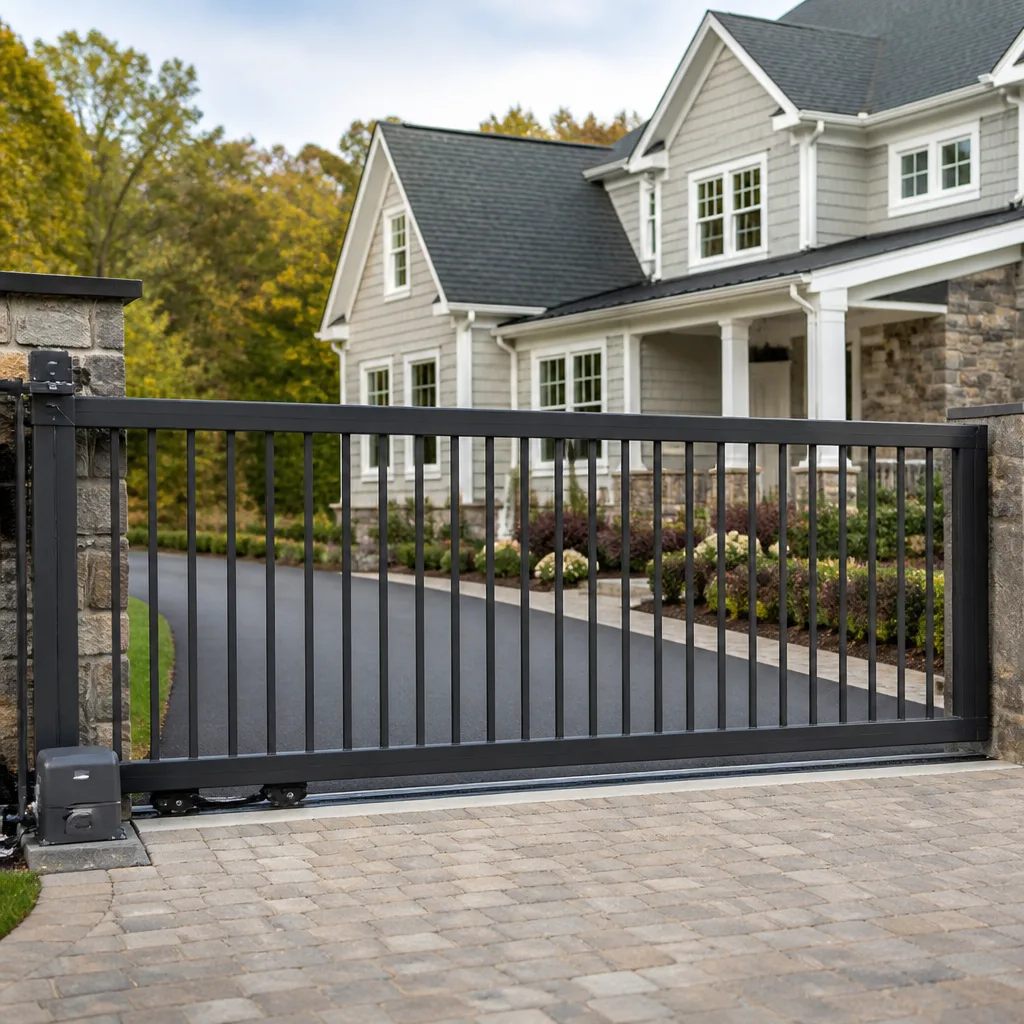 Sliding driveway gates
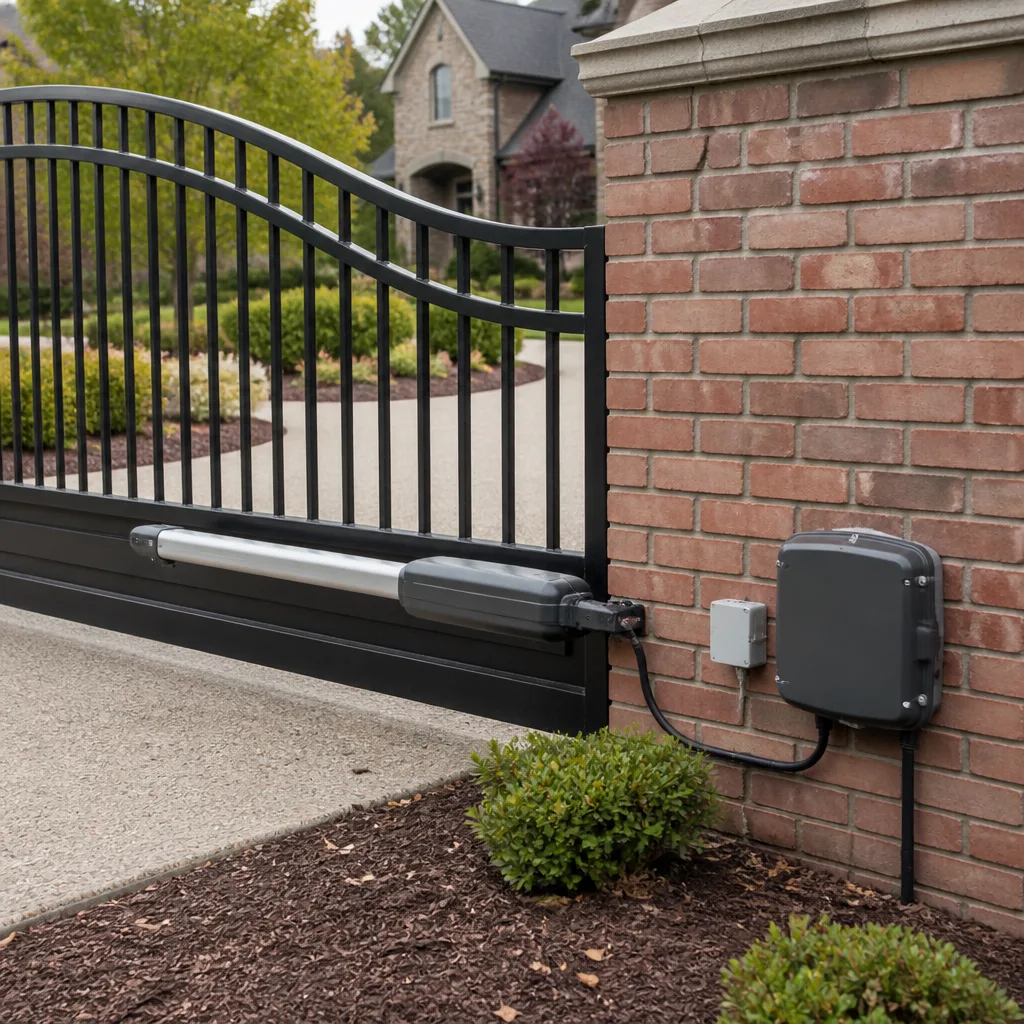 LiftMaster operators
Free on-site gate assessment - hinges, posts, and your LiftMaster or Nice gate operator checked before anything is quoted
The assessment is free and the quote is the invoice.
Get your free estimateGate Repair Permits, Codes & Inspections in Evanston, IL: What You Need to Know
Most gate owners in Evanston assume a permit is something you deal with once, at installation, and never again. The opposite is often true. In our experience, the moment that triggers a permit question is not the day the gate goes up. It’s the day it stops working and a repair technician starts looking at the wiring, the operator, and how the whole system was put together. An electric gate that was installed without proper approvals can turn a simple motor repair into a paperwork problem. This guide walks through when Evanston actually requires a gate permit, what the UL 325 safety standard demands of every powered gate, how HOA review fits alongside city review, and the practical path to compliance if you’ve inherited a gate with no history. If you want the short version first, keep reading.
Quick Answer
In Evanston, routine gate maintenance like adjusting hinges, replacing a latch, or swapping a remote usually needs no permit. Any project that changes the structure, the electrical supply, or the operator itself is typically treated as an alteration or a new installation, and those generally require a permit and an inspection. Every powered gate in Illinois also has to meet UL 325 entrapment-protection requirements, and that’s the first thing an inspector checks. If you’re unsure which category your job falls into, the safest move is to ask the city’s building department before work begins.
Styles & brands we work with
- Wrought iron
- Wood & steel frame
- Farm & ranch
- Sliding driveway gates
- LiftMaster operators
Table of Contents
- Where Evanston Draws the Line Between Maintenance and Alteration
- UL 325: The Safety Standard Every Powered Gate Must Meet
- How HOA Architectural Review Interacts With City Permits
- New Install Permit vs. Permit Triggered by Repair or Motor Replacement
- You Inherited a Gate With No Permit History: What to Do
- What an Inspector Actually Looks For
- Choosing a Gate Contractor Who Understands the Paperwork
Where Evanston Draws the Line Between Maintenance and Alteration
The single most useful distinction in Evanston’s gate permitting world is maintenance versus alteration. Maintenance keeps the gate doing what it already did. Alteration changes what it does, how it’s built, or how it’s powered. Maintenance rarely needs a permit. Alteration usually does. That sounds simple until you’re standing in front of a gate that needs three new hinges, a new operator, and a fresh run of conduit, and you have to decide which of those is which.
As a working rule of thumb, these tasks generally fall on the maintenance side and typically need no permit:
- Adjusting a gate that has started to sag or drag
- Replacing hinges, latches, rollers, or stops with like-for-like parts
- Replacing a remote, a keypad battery, or a receiver
- Greasing tracks and tightening hardware
- Repairing a gate panel that was dented or knocked loose
These tasks generally fall on the alteration side and usually do require approval:
- Installing a new gate where none existed
- Replacing a manual gate with a powered one
- Changing the drive type, such as moving a swing gate to a slide gate
- Replacing the operator with a different model or a different class of motor
- Adding or rerouting the electrical supply to the gate
- Adding access control hardware that ties into the building’s wiring
Evanston’s housing stock spans a wide range of eras, and that matters here. A gate on an older property may have been installed long before the current owner arrived, with no paperwork to show for it. On a newer property, the operator and the electrical run are more likely to be documented. Either way, the question you’re answering is not “how old is this gate” but “does this job change the structure, power, or operator.” If it does, pick up the phone and ask the city before the work starts. That one call saves a lot of grief.
UL 325: The Safety Standard Every Powered Gate Must Meet
UL 325 is the safety standard that governs automatic gate operators in the United States, and every powered gate in Evanston is expected to meet it. Its core purpose is entrapment prevention: making sure a moving gate cannot crush, pin, or trap a person, a pet, or a vehicle. If your gate hums along fine but has no safety edges, no photo-eye sensors, and no way to reverse when something gets in the way, it does not meet the standard, no matter how well it was built or how long it’s been there.
What the standard looks like on a working gate:
- Primary entrapment protection on the closing side, usually a photo-eye or a safety edge that stops or reverses the gate when something crosses its path
- Secondary protection where the gate’s design calls for it, so a single failed sensor doesn’t leave the gate unprotected
- Audible and visual warnings before the gate moves, so people nearby know it’s about to close
- Manual release so the gate can be opened by hand during a power failure
- Properly enclosed and grounded wiring for the operator and any access control hardware
In our experience, the most common UL 325 failure we find on Evanston gates is not a broken motor. It’s a motor that works perfectly fine while the safety eyes have been dead for years, or a gate that closes on a timer with no reversing sensor at all. The operator runs, so nobody notices, until an inspector does. Electric gate repair that ignores the safety circuit is only half a repair. When we look at a powered gate, we check the entrapment protection as carefully as we check the drive. If you want that safety layer reviewed alongside the mechanical repair, our gate repair service covers both.
How HOA Architectural Review Interacts With City Permits
If your property sits under a homeowners association, you may need two separate approvals for the same gate project, and one does not satisfy the other. City permits come from Evanston’s building department and address code compliance: structure, electrical, and safety. HOA architectural review comes from your association and addresses aesthetics, placement, setbacks, and community standards. Getting one and skipping the other is one of the most common and expensive gate permit mistakes we see in Evanston, especially around the neighborhoods with tighter lot lines and older, more established associations.
The order matters, and it’s the reverse of what most people expect. Start with the HOA. Architectural review can take time, and it can come back with conditions that change the project, like a different gate color, a shorter panel run, or a design that matches the rest of the property. You don’t want to file a city permit for a gate the association then asks you to redesign. Get the HOA approval first, then file the city permit showing the approved design.
Some practical notes on the HOA side:
- Request the architectural review paperwork before you hire anyone, so the contractor knows what the association will accept
- Keep the approved plan with the gate’s records; future repairs and inspections are easier when the design is documented
- If your gate adds or changes access control hardware visible from the street, mention it in the review, even if it’s small
- Ask the association whether the shared driveway, if there is one, is on your gate or the association’s
Two independent approvals, one project. Treat them as parallel tracks that both need to close before the gate goes in or gets substantially rebuilt.
New Install Permit vs. Permit Triggered by Repair or Motor Replacement
A permit for a new gate installation and a permit triggered by a repair on an existing gate are not the same document, even when they’re the same city. New installation permits are tied to the plan: gate size, location, footings, electrical supply, operator model, and entrapment protection. Repair-triggered permits are tied to the change: what’s being swapped out and how the system stays compliant afterward.
Here’s where the confusion usually hits. Replacing a failed operator with the identical model is often treated as a repair and may not require a permit. Replacing it with a different model, a different drive type, or a different class of motor is generally an alteration, and alterations usually need approval. The distinction isn’t about whether the gate works. It’s about whether the change alters the system in a way the original approval didn’t cover.
The steps for an existing repair that crosses into alteration territory:
- Identify the existing operator and the proposed replacement, including drive type and entrapment protection
- Confirm with the city whether your job falls on the maintenance or alteration side
- If a permit is required, submit the application with the replacement specs and the safety hardware detail
- Have the work done to the approved plan, with the safety circuit wired and tested
- Schedule the inspection and keep the paperwork with the property records
Motor replacement is where the two paths cross most often, and it’s where brand knowledge earns its keep. We work on Linear, Viking, Ghost Controls, DoorKing, and the other major operators you’re likely to find on an Evanston gate, so we can usually tell you quickly which permits short of swapping a single part is a repair and which crosses the line. If you know your operator needs replacing, our gate motor & opener page covers what the swap involves and how we handle the electrical and safety side. If the access control panel comes into it as well, gate access control covers what’s involved.
You Inherited a Gate With No Permit History: What to Do
Buying a property with a powered gate and no paperwork is common, especially on Evanston’s older lots where the gate predates the current owner by decades. The first instinct is often to rip the whole thing out and start over. In most cases that’s not necessary. A gate with no permit history can usually be brought into compliance in place, provided the structure is sound, the wiring is safe, and the operator meets the safety standard once the missing hardware is installed.
How we’d approach it:
- Find what records exist. Start with the city’s building department and any HOA records. Sometimes a permit was filed under a previous owner’s name and simply isn’t in the current owner’s file.
- Assess the gate as it stands. That means the structure, the posts, the track or swing hardware, the operator, the wiring, and the entrapment protection. The goal is to know exactly what’s compliant and what’s missing.
- Get the safety gap closed first. If the gate has no photo-eyes or safety edge, add them. This is the most common compliance failure we find, and it’s fixable without replacing the gate.
- Talk to the city about retroactive approval. Ask what documentation they need and whether an inspection can be scheduled once the safety hardware is in place.
- Have an inspection done. If the gate passes, you now have a documented, permitted, working gate on your property. That’s a much easier position for the next repair, the next sale, or the next insurance renewal.
In Evanston, older neighborhoods tend to have older gates, and older gates tend to have older operators. A Linear or a Ghost Controls operator that has served quietly for years is not automatically a problem. It’s the missing paperwork and the missing safety hardware that cause trouble. Retrofitting those is generally far less expensive than a full replacement, and it’s the path we recommend when the underlying gate is sound.
What an Inspector Actually Looks For
Gate inspections in Evanston follow a fairly consistent script. The inspector is not there to admire the gate. They’re there to confirm the work matches the approved plan and that the safety standard is met. Knowing the list in advance makes the inspection predictable rather than tense.
- Entrapment protection. Photo-eyes or a safety edge, wired, functioning, and positioned where they’ll actually detect a person or vehicle in the gate’s path. This is the top item on the list.
- Operator compliance. The operator matches the approved model and drive type, and it’s rated for the gate it’s on.
- Electrical supply. The run to the gate is properly enclosed, grounded, and on a circuit appropriate for the load.
- Manual release. A way to open the gate by hand during a power failure, accessible and in working condition.
- Warning devices. Audible and visual warnings during movement, on the gates whose design calls for them.
- Structure and mounting. Posts, footings, track, and gate hardware that hold the gate in line through normal use.
- Design consistency. The gate matches the plan the permit was issued for, including size, placement, and finish.
The single easiest way to fail an inspection is to install a new operator without connecting the safety circuit. It’s an easy thing to miss when the priority is “get the gate working again,” and it happens. When we do a repair that crosses the permit line, we wire and test the safety side on the same visit. That’s the difference between a gate that runs and a gate that passes.
Choosing a Gate Contractor Who Understands the Paperwork
Permits and paperwork are not usually the first thing a homeowner thinks to ask a gate contractor. In Evanston, they should be. A contractor who only knows the mechanical side will get your gate moving and hand you a problem that shows up at inspection. A gate-only specialist who works with the city, the safety standard, and access control as a matter of daily practice will get the whole job closed.
What to look for:
- Gate-specific experience, not general fence or garage door work with gates as a side job
- Familiarity with the operator brands on your gate, so diagnosis is direct
- Willingness to tell you when a job needs a permit before you commit to it
- Clear, written scope with the safety hardware and permit responsibilities spelled out
- Experience with access control and keypads, since those tie into the same electrical and approval picture
Our technicians have up to 12 years of experience, and we work gates only, from the motor to the keypad. That focus matters when the job involves a permit, because the contractor who understands the structure, the wiring, the safety standard, and the paperwork is the one who can close the loop. When you call, we’ll tell you what your job needs and what it doesn’t.
Common Mistakes to Avoid
- Assuming a working gate is a compliant gate. A gate can open and close reliably for years while the entrapment protection has been dead the whole time. Function is not the same as compliance.
- Skipping the HOA review because the city permit is in hand. City and HOA approvals are independent. One doesn’t satisfy the other, and the association can still require changes after the fact.
- Replacing the operator without checking whether it’s an alteration. Same-model replacement is often a repair; a different model or drive type usually isn’t. Check before the swap, not after.
- Installing the safety hardware but not wiring or testing it. An inspector checks the safety circuit, not the box the sensor came in. Unwired safety equipment fails the inspection and defeats the point.
- Buying a property with a gate and not finding out whether it was ever permitted. It’s easier to find out early than to discover it when a repair brings a technician and a code question to the same gate.
- Hiring a generalist who treats the gate as a small fence job. Gate systems span the mechanical, the electrical, and the access control side. A generalist is more likely to leave the safety circuit or the permit question unanswered.
- Waiting for the gate to fail before looking at the paperwork. If the gate needs a substantial repair and there’s no history, the repair is a much better time to square the paperwork than the moment the gate fails.
See the difference
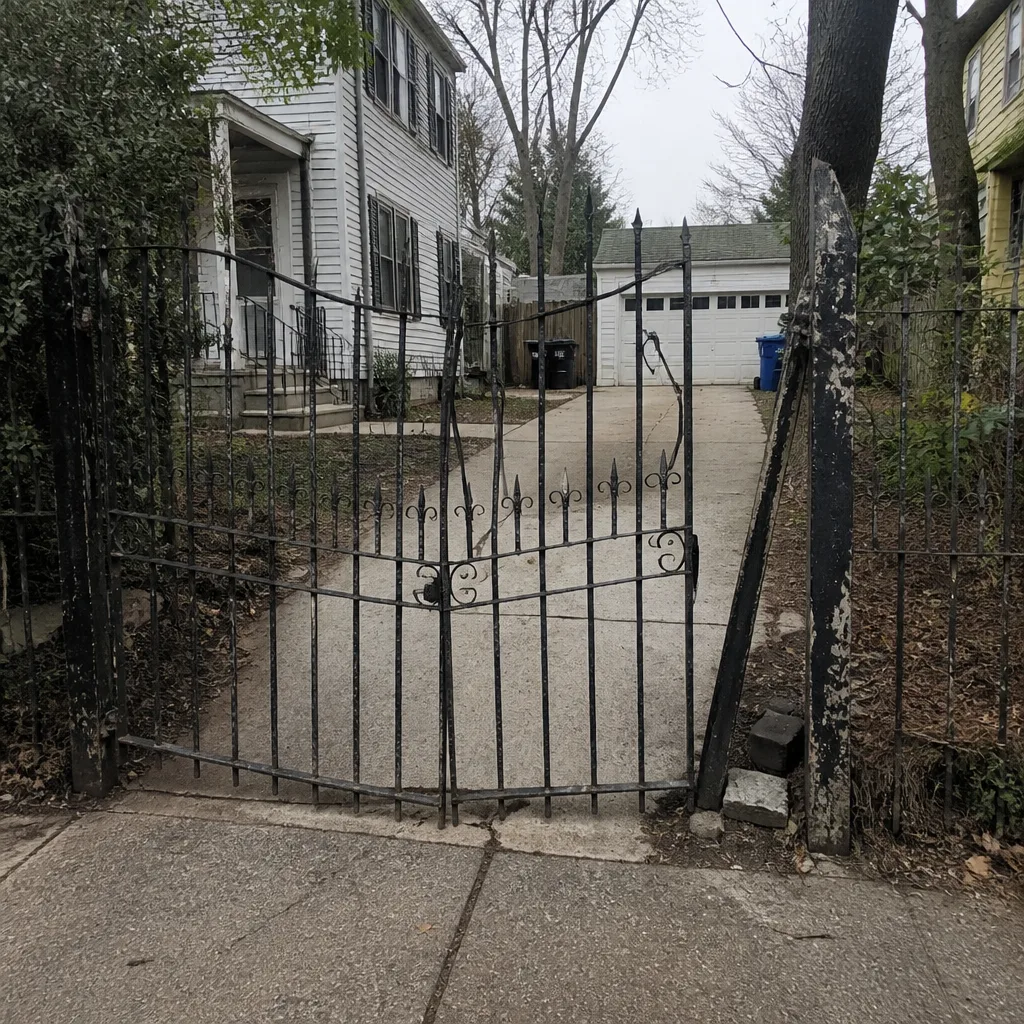 Before
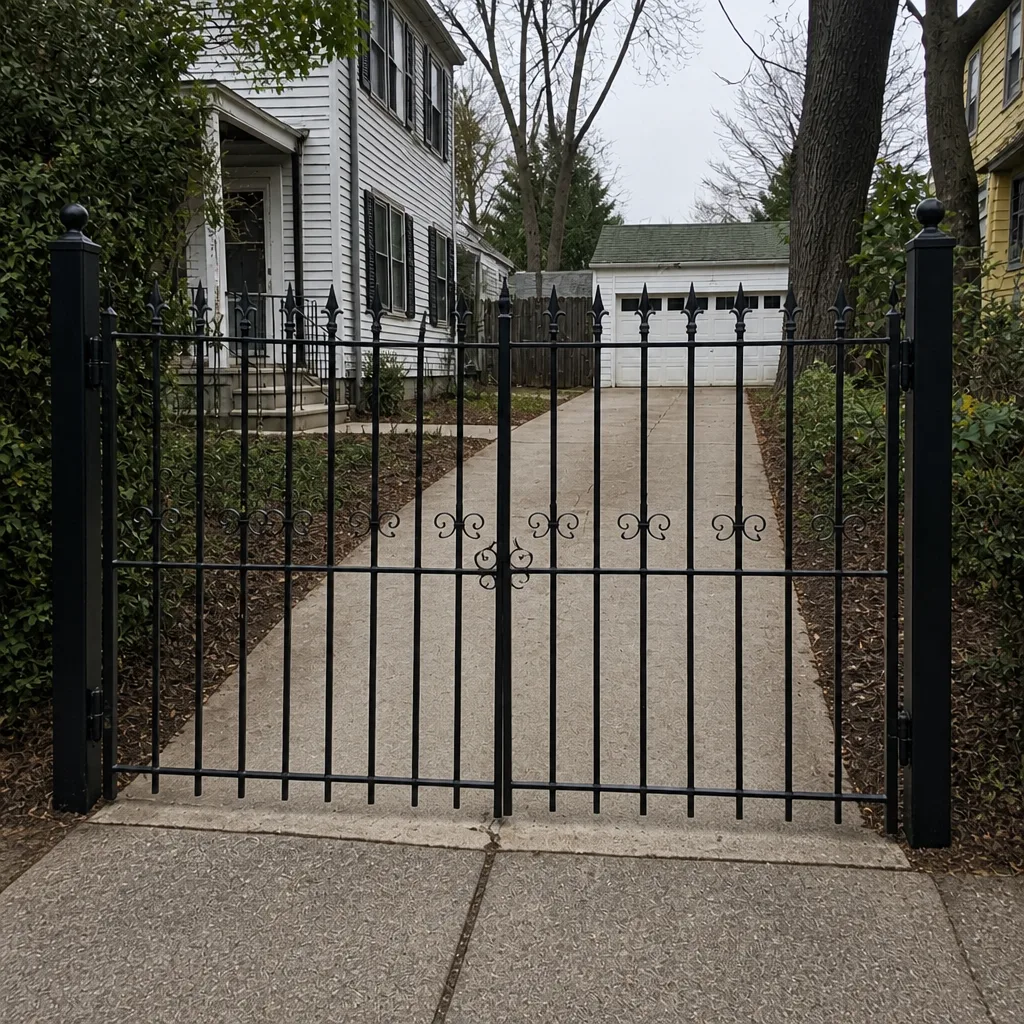 After
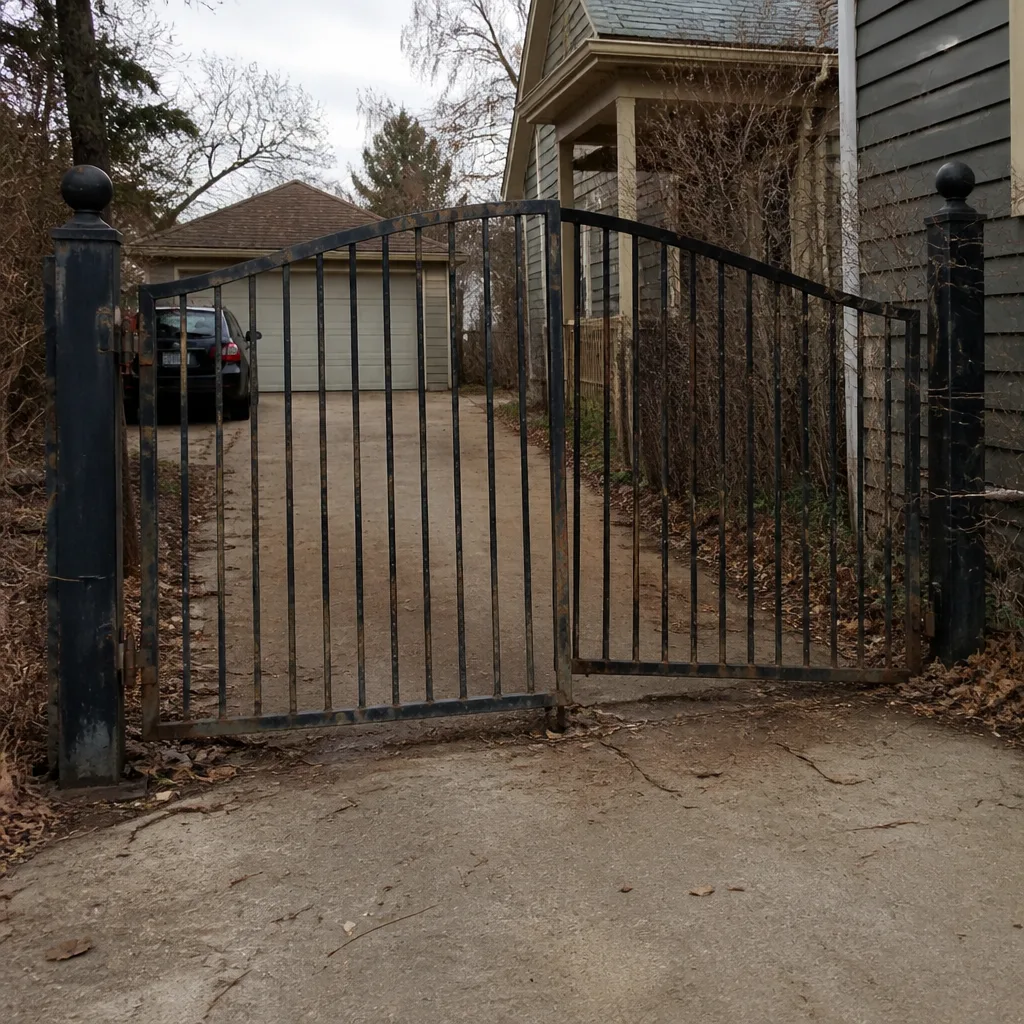 Before
 After
 Before
 After
When to Call a Professional
Some gate issues are genuinely a call-a-pro situation. A powered gate that won’t reverse, safety eyes that won’t trigger, an operator that cycles but the safety circuit is dead, a motor replacement that crosses the permit line, an access control panel that’s stopped reading keypads, and a gate with no permit history that you want brought into compliance. In those cases, the work involves entrapment protection, electrical supply, or operator compatibility, and it needs someone who does gates only. If your gate has a heavy panel that’s come off its track or a slide gate that’s coming loose, that’s a safety issue as much as a repair issue, and it’s worth getting a trained technician on it. Gate Repair Evanston offers free estimates in Evanston. Call (855) 658-5171. We answer 24/7, with fast dispatch from 7am to 7pm, Sunday through Friday. The price is quoted and agreed before any work starts, so you know what the job costs before we touch the gate.
Frequently Asked Questions
It depends on what the repair changes. Routine maintenance like adjusting hinges, replacing a latch, or swapping a remote generally doesn’t need a permit. Repairs that change the operator model or drive type, add new electrical work, or change the structure usually do. Call the city’s building department with the specifics before work begins, and we can help you figure out which side your job falls on.
UL 325 is the safety standard that governs automatic gate operators, and yes, every powered gate in Evanston is expected to meet it. It requires entrapment protection like photo-eyes or safety edges that stop or reverse the gate when something crosses its path. If your gate runs but has no working safety sensors, it doesn’t meet the standard, and an inspection will find that.
Yes. A gate can run reliably for years without meeting UL 325, because the entrapment protection can fail independently of the motor. The safety circuit being dead is the most common compliance issue we find on older Evanston gates. It’s usually fixable without replacing the gate, and adding the missing hardware is the first step to bringing the gate into compliance.
In most cases the gate can be brought into compliance in place. Find whatever records exist at the city and any HOA, have the gate assessed for structure and wiring, close the safety gap with entrapment protection, then talk to the city about retroactive approval and an inspection. Full replacement is usually not required when the underlying gate is sound.
Not always. Replacing a failed operator with the identical model is often treated as a repair. Swapping in a different model, a different drive type, or a different class of motor generally counts as an alteration and usually requires approval. We’ll tell you upfront which path your replacement falls on before we touch the gate. Call (855) 658-5171 for an exact quote; estimates are free.
There’s no single number, because the cost depends on what’s missing: safety hardware, electrical work, operator replacement, or permit and inspection fees. The estimate is free, and the written estimate sets the final price. Call (855) 658-5171 and we’ll walk through the specifics of your gate before anyone quotes a number.
The Bottom Line
In Evanston, the line between a gate repair that needs no permit and one that does is the difference between maintenance and alteration. Maintenance keeps the gate doing what it did. Alteration changes the structure, the power, or the operator, and that’s the work that brings the city and the safety standard into the picture. Every powered gate in Evanston is also expected to meet UL 325, and the safety circuit is what an inspector checks first. HOA review runs parallel to city review, not underneath it. And if you’ve inherited a gate with no history, in-place compliance is usually the cheaper, faster path than replacement. If your gate is due for a repair or a motor swap and you’re not sure which side of the line it falls on, that’s exactly the question to bring to someone who works gates only. Gate Repair Evanston connects you with local gate specialists who can help you sort the permit question from the repair question. Call (855) 658-5171 for a free estimate. We answer 24/7, with fast dispatch from 7am to 7pm, Sunday through Friday.
Written by the team at Gate Repair Evanston.